Discover Today's Ekadashi Date: Rituals, Fasting Benefits, and Mantras
Discover Today's Ekadashi Date: Rituals, Fasting Benefits, and Mantras...
Discover Today's Ekadashi Date: Rituals, Fasting Benefits, and Mantras
My dear seekers of truth and spiritual wisdom,
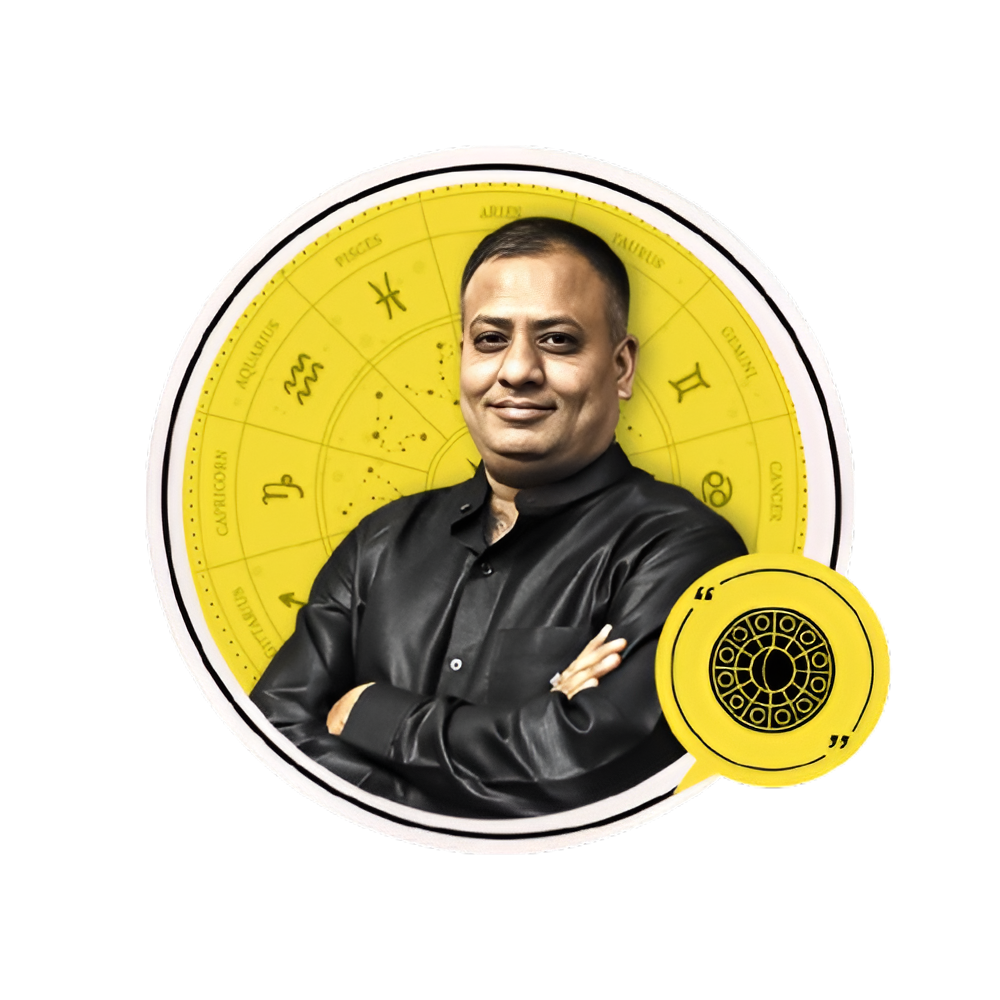
Are you here today searching for clarity on a powerful spiritual day? Perhaps you typed "Ekadashi Today Date" into your search bar, eager to connect with the divine energies that permeate this auspicious Tithi. If so, you've arrived at the right place. I am Abhishek Soni, and it's my privilege to guide you through the profound significance, practical observances, and immense benefits of Ekadashi.
Ekadashi is not just another date on the calendar; it is a gateway to spiritual purification, mental clarity, and immense blessings from Lord Vishnu Himself. As your humble astrologer, I've witnessed countless lives transform by sincerely observing this sacred fast. Let's embark on this journey together to understand, embrace, and benefit from the divine energy of Ekadashi.
Understanding Ekadashi: A Day of Divine Connection
The word "Ekadashi" literally means "eleven" in Sanskrit. It refers to the eleventh day of each lunar fortnight in the Hindu calendar. This means there are two Ekadashis in a typical lunar month – one during the waxing phase of the moon (Shukla Paksha) and one during the waning phase (Krishna Paksha). Both are equally sacred and dedicated to Lord Vishnu, the preserver of the universe.
Legend has it that Ekadashi Devi emerged from Lord Vishnu to defeat the demon Mura. Pleased with her, Lord Vishnu declared that anyone who fasts on this day would be freed from sins and attain liberation. From that day forth, Ekadashi became one of the most significant and widely observed Vrats (fasts) in Hinduism.
Observing Ekadashi is more than just abstaining from food; it's a holistic practice involving physical discipline, mental purification, and spiritual elevation. It's a day to turn inwards, reconnect with your true self, and strengthen your bond with the divine.
Discovering Ekadashi Today: Your Guide to the Auspicious Date
One of the most frequent questions I receive is, "Is there an Ekadashi Today Date?" Determining the precise Ekadashi date can sometimes be a little confusing, as it relies on the intricate calculations of the Hindu lunar calendar, also known as the Panchang.
The Panchang and Tithi System
The Hindu calendar is fundamentally different from the Gregorian calendar. It's a lunisolar calendar, meaning it accounts for both the sun and moon's positions. The 'Tithi' is a crucial element – it's the lunar day, defined by the angular distance between the sun and the moon. An Ekadashi Tithi begins and ends at specific times, which are not fixed to sunrise or sunset like a Gregorian day.
This is why you might sometimes hear about 'Smarta' and 'Vaishnava' Ekadashis, or even a 'loss' of a Tithi. Generally, the Ekadashi fast is observed on the day when the Ekadashi Tithi prevails at sunrise. However, there are specific rules, particularly for Vaishnavas, who consider other factors like the 'Dashami Viddha' (when the Dashami Tithi touches part of the Ekadashi Tithi). This is why having a reliable source is key.
Why Dates Vary: The Drik Panchang vs. Regional Calendars
You might notice slight variations in Ekadashi dates depending on the source you consult. This isn't due to error, but rather different astrological calculation systems and regional practices. Some common reasons for variations include:
- Calculation Methods: Different Panchang systems (e.g., Drik Panchang, Surya Siddhanta) use slightly varied astronomical constants.
- Time Zones: The exact timing of Tithis depends on your geographical location and time zone. An Ekadashi Tithi might start or end before sunrise in one part of the world but after sunrise in another.
- Regional Customs: Certain regions or spiritual lineages may have specific traditional rules for observing Ekadashi, especially concerning 'Dashami Viddha' (when the Dashami Tithi overlaps with the Ekadashi Tithi).
For the most accurate information tailored to your location, I always recommend consulting a reputable online Panchang source like drikpanchang.com, or even better, checking the calendar provided by your local temple or a trusted astrologer like myself on abhisheksoni.in. When in doubt, it's always wise to confirm with a knowledgeable source.
Is There an Ekadashi Today? How to Check Quickly
To quickly find out if there's an Ekadashi Today Date, simply:
- Visit a reliable online Panchang website (ensure it allows you to input your specific city/location).
- Consult a traditional Hindu calendar specific to your region.
- Connect with your local temple priest or a trusted astrologer.
Remember, knowing the date is the first step; understanding the spirit of the day is the journey.
The Multifaceted Rewards of Ekadashi Vrat: Beyond the Fast
The practice of observing Ekadashi Vrat (fast) is deeply ingrained in Hindu tradition for profound reasons. It's not merely a ritualistic abstinence from food, but a powerful discipline that brings about immense benefits on spiritual, mental, physical, and even astrological levels.
Spiritual Benefits
- Purification of Mind, Body, and Soul: By engaging in fasting and devotion, we cleanse ourselves of negative energies and thoughts, making space for higher consciousness.
- Accumulation of Punya (Merit): Observing Ekadashi sincerely is believed to accrue immense spiritual merit, helping to balance past karmas and create a brighter future.
- Closeness to Lord Vishnu: This day is dedicated to Lord Vishnu. Through fasting, chanting, and meditation, devotees feel a profound connection to the divine, experiencing His grace and protection.
- Mental Clarity and Focus: The detachment from worldly pleasures and the focus on spiritual activities lead to enhanced mental clarity, peace, and concentration.
- Path to Moksha (Liberation): Consistent and devoted observance of Ekadashi is believed to aid in the journey towards spiritual liberation from the cycle of birth and death.
Health Benefits (Ayurvedic Perspective)
Even from a scientific and Ayurvedic perspective, the practice of fasting on Ekadashi holds significant value:
- Detoxification and Digestive Rest: Fasting gives your digestive system a much-needed break, allowing the body to cleanse itself of accumulated toxins. This is particularly beneficial for the gut, which is often overworked.
- Improved Metabolism: Periodic fasting can help regulate metabolism, improve insulin sensitivity, and promote healthy weight management.
- Enhanced Mental Discipline: The act of self-control required for fasting strengthens your willpower and discipline, which has positive ripple effects across all areas of life.
- Balancing Doshas: According to Ayurveda, fasting helps balance the three doshas (Vata, Pitta, Kapha), promoting overall physical and mental well-being. It's a natural way to reset the body's internal clock.
Astrological Benefits
As an astrologer, I can tell you that Ekadashi also has significant astrological implications:
- Strengthening Planetary Positions: Fasting and devotion on Ekadashi are believed to appease and strengthen the benefic influence of planets, particularly Jupiter (Guru), which represents wisdom, prosperity, and spirituality, and the Moon, which governs emotions and the mind.
- Mitigating Malefic Effects: For individuals facing challenges due to malefic planetary positions in their birth chart, observing Ekadashi Vrat can act as a powerful remedy to reduce negative influences and enhance positive energies.
- Balancing Cosmic Energies: The lunar phases significantly impact human physiology and psychology. Observing Ekadashi aligns us with these cosmic rhythms, promoting harmony and balance in our personal energetic field.
In essence, Ekadashi is a powerful day to invest in your spiritual, physical, and astrological well-being. It’s a day to consciously step away from the mundane and embrace the divine.
Observing Ekadashi: A Step-by-Step Guide to Rituals and Vrat
Now that you understand the profound benefits, let's delve into the practical aspects of observing Ekadashi. The key is devotion (Bhakti) and sincerity (Shraddha). Even if you can't follow every single ritual strictly, your intention is what truly matters to the divine.
Pre-Ekadashi Preparation (Dashami)
The observance of Ekadashi actually begins the day before, on Dashami (the tenth day of the lunar fortnight). This preparation is crucial for a successful fast:
- Light Meal: On Dashami, consume only one light meal during the day. Avoid heavy, rich, or non-vegetarian food.
- Avoid Grains: Many devotees also start avoiding grains from Dashami evening.
- Cleanliness: Ensure your home and body are clean. Take a purifying bath.
- Mental Preparation: Mentally prepare yourself for the fast, focusing on the spiritual purpose of the day. Avoid anger, greed, and negative thoughts.
The Ekadashi Day: Main Rituals
This is the main day of observance, demanding self-discipline and devotion:
- Early Morning Bath: Wake up early (preferably before sunrise) and take a purifying bath.
- Sankalpa (Vow): Stand before the idol or picture of Lord Vishnu and take a solemn vow (Sankalpa) to observe the fast sincerely, seeking His blessings for its successful completion. State the type of fast you intend to keep.
- Pooja (Worship):
- Offer prayers to Lord Vishnu and Goddess Lakshmi.
- Light a ghee lamp (Diya) and incense sticks.
- Offer fresh flowers, fruits, and sweets (if applicable to your fast type).
- Offer Tulsi Leaves: Tulsi (holy basil) is extremely sacred to Lord Vishnu. Offer fresh Tulsi leaves to Him; it is considered highly auspicious.
- Fasting (Vrat): This is the central aspect of Ekadashi. There are various levels of fasting:
- Nirjala Vrat: The most stringent fast, involving no food and no water for 24 hours. This is typically observed only by those with strong health and immense spiritual discipline.
- Phalahari Vrat: Consuming only fruits, milk, and certain vegetables. Avoid grains, cereals, pulses, onion, garlic, and common spices like turmeric, chili powder, and asafoetida.
- Partial Fast: Some people observe a less strict fast by avoiding only grains (rice, wheat, lentils, chickpeas) but consume non-grain foods.
- What to AVOID: Absolutely avoid rice, wheat, all types of pulses (dals), onion, garlic, non-vegetarian food, and intoxicants.
- What can be consumed (in Phalahari): Fruits, milk, yogurt, cottage cheese, nuts, water, specific flours like Kuttu (buckwheat), Singhara (water chestnut), and Sabudana (sago/tapioca pearls). Use rock salt (sendha namak) instead of regular salt.
- Important: Always listen to your body. If you have any medical conditions, are pregnant, elderly, or a child, it is advisable to observe a milder fast or simply perform the puja and devotion without strict food restrictions. Your health comes first.
- Chanting and Meditation: Dedicate the day to spiritual practices.
- Japa: Chant Vishnu mantras using a Rudraksha mala (rosary).
- Reading Sacred Texts: Read the Bhagavad Gita, Vishnu Sahasranama, Srimad Bhagavatam, or stories related to Lord Vishnu.
- Bhajans and Kirtans: Listen to or sing devotional songs glorifying Lord Vishnu.
- Charity (Daan): If possible, perform acts of charity. Donate food, clothes, or money to the needy. Feeding cows or birds is also considered meritorious.
- Avoid Sleeping During the Day: Try to remain awake and engaged in spiritual activities. If absolutely necessary, take a short rest, but avoid deep sleep.
- Parana Time: The Ekadashi Vrat Parana time is usually given in a reliable Panchang. It generally falls within a specific window after sunrise on Dwadashi.
- Avoid Hari Vasara: It's important to avoid breaking the fast during 'Hari Vasara,' which is the first quarter of the Dwadashi Tithi. This period is still considered sacred to Lord Vishnu.
- How to Break: Break your fast by consuming a grain-based meal, typically a small portion of cooked rice or other grains. This signifies the completion of the fast.
- Seeking Forgiveness: Offer a prayer of gratitude to Lord Vishnu for enabling you to complete the Vrat, and seek forgiveness for any unintentional errors.
- Om Namo Bhagavate Vasudevaya:
This is the Dwadashakshari Mantra, the twelve-syllable mantra dedicated to Lord Vishnu. It is considered one of the most potent mantras for connecting with the divine. "Om" is the primordial sound, "Namo" means salutations, "Bhagavate" refers to the divine, and "Vasudevaya" is a name of Lord Vishnu, meaning the indwelling Spirit in all beings.
Benefits: Chanting this mantra regularly brings peace, prosperity, spiritual growth, and protection from negative influences. It helps to purify the mind and align one with divine consciousness.
- Hare Krishna Maha-Mantra:
Hare Krishna, Hare Krishna, Krishna Krishna, Hare Hare
Hare Rama, Hare Rama, Rama Rama, Hare HareThis Maha-Mantra is a universal chant for liberation and spiritual ecstasy. "Hare" refers to the divine energy of God, and "Krishna" and "Rama" are names of Lord Vishnu (Krishna being an avatar of Vishnu, and Rama being another avatar). It is a call to the divine for protection and spiritual awakening.
Benefits: Chanting the Hare Krishna Maha-Mantra is said to purify the heart, free one from material anxieties, and fill one with divine love and joy. It is particularly popular in the Vaishnava tradition.
- Vishnu Gayatri Mantra:
Om Narayanaya Vidmahe
Vasudevaya Dhimahi
Tanno Vishnuh PrachodayatThis powerful Gayatri mantra dedicated to Lord Vishnu invokes His divine wisdom and guidance. It means, "We know Narayana; we meditate on Vasudeva; may Vishnu enlighten us."
Benefits: Chanting the Vishnu Gayatri Mantra enhances spiritual wisdom, brings clarity of thought, and protects the devotee from all harm. It helps to awaken the inner divine light.
- Vishnu Sahasranama:
Recitation of the Vishnu Sahasranama (the thousand names of Lord Vishnu) is highly auspicious on Ekadashi. Each name describes an attribute or quality of the Lord, and reciting them is a powerful form of meditation and devotion.
Benefits: Chanting or listening to the Vishnu Sahasranama brings immense peace, removes obstacles, bestows prosperity, and grants spiritual fulfillment. It's a comprehensive way to connect with all aspects of the divine.
- Focus and Devotion: The most important aspect is to chant with sincerity, focus, and devotion, understanding (or at least intending to understand) the meaning of the mantra.
- Using a Mala: A Japamala (rosary) of 108 beads is traditionally used to keep count of the chants, helping to maintain focus and discipline.
- Timing: Chanting can be done throughout the day, but it is particularly potent during the early morning hours (Brahma Muhurta) and during your main Pooja.
- Nirjala Ekadashi: Often considered the most austere and powerful, observed by fasting without even water. It typically falls in May/June and is believed to bestow the benefits of all 24 Ekadashis.
- Devshayani Ekadashi: Marks the beginning of Chaturmas, a four-month period when Lord Vishnu is believed to rest. It's a significant day for starting spiritual vows.
- Vaikuntha Ekadashi: Considered highly auspicious, especially in South India, as the celestial gates of Lord Vishnu's abode (Vaikuntha) are believed to open on this day.
- Mokshada Ekadashi: Associated with attaining salvation (Moksha) and is the day when Lord Krishna gave the Bhagavad Gita to Arjuna.
- Children: Young children should not fast strictly. They can be encouraged to observe partial fasts or simply participate in prayers.
- Elderly: Seniors, especially those with health issues, should avoid strict fasting. Light meals and devotion are recommended.
- Pregnant Women: Expecting mothers should never observe strict fasts. Their health and the baby's health are paramount. They can offer prayers and perform light rituals.
- Individuals with Medical Conditions: If you have diabetes, heart conditions, or any chronic illness, consult your doctor before considering any fast. Devotion through chanting and prayer is always an option.
- Avoiding Grains: Just abstaining from rice, wheat, and pulses is a good start.
- Consuming only Phalahar: Sticking to fruits, milk, and certain vegetables.
- Mental Fasting: Dedicate the day to spiritual thoughts, chanting, meditation, and reading sacred texts, even if you eat regular food. Avoid negative thoughts, gossip, and anger.
- Increased Chanting: Compensate by chanting more mantras and performing more prayers.
Breaking the Fast (Parana) on Dwadashi
The fast must be broken at the correct time on Dwadashi (the twelfth day of the lunar fortnight). This is known as 'Parana,' and its timing is crucial.
Improper Parana can negate the benefits of the fast, so pay close attention to the recommended breaking times.
Elevating Your Ekadashi Vrat with Sacred Mantras
Mantras are powerful sound vibrations that connect us to divine energies. Chanting mantras during Ekadashi amplifies the spiritual benefits, purifies the mind, and draws immense blessings from Lord Vishnu. Here are some essential mantras you can incorporate into your Ekadashi observance:
Essential Mantras for Lord Vishnu
How to Chant Effectively
Embrace these mantras as your companions on Ekadashi. They are not just words, but conduits to profound spiritual experiences.
Understanding the Nuances: Different Ekadashi Names and Their Significance
While all Ekadashis are sacred, each of the 24 (or sometimes 26 in an intercalary year) Ekadashis has a unique name and is associated with specific legends and benefits. Knowing these can deepen your appreciation for this sacred practice.
Each Ekadashi offers a unique opportunity for spiritual growth and specific blessings. While the core rituals remain similar, understanding the individual significance adds another layer to your devotion.
Your Questions Answered: Insights from Abhishek Soni
Over the years, many people have approached me with questions about Ekadashi. Here are some common queries and my insights:
Who Should Observe Ekadashi?
Ekadashi can be observed by anyone seeking spiritual growth, inner peace, physical well-being, or divine blessings. There are no strict caste, creed, or gender restrictions. However, certain groups are advised to observe a milder fast or focus solely on devotion:
The most important aspect is your intention and devotion (Bhav), not the rigidity of the fast.
What if I Can't Fast Strictly?
It's perfectly fine! Lord Vishnu values sincere devotion over strict adherence to rituals. If you cannot observe a full fast due to health, work, or other genuine reasons, you can still observe Ekadashi by:
Remember, Ekadashi is about cleansing and connecting with the divine. Find a way to observe it that is both meaningful and manageable for you.
Can I Observe Ekadashi if I'm Not Hindu?
Absolutely! Spirituality transcends religious boundaries. The principles of fasting, self-discipline, and devotion are universal. If you feel drawn to the spiritual energy of Ekadashi and wish to experience its benefits, you are most welcome to observe it. It's a journey of the soul, open to all.
What if I Miss the Parana Time?
It can happen due to various reasons. If you inadvertently miss the specific Parana time window on Dwadashi, it's best to break the fast as soon as possible after realizing it, while avoiding Hari Vasara if it is still ongoing. After breaking the fast, offer a sincere prayer to Lord Vishnu, seeking forgiveness for any unintentional lapse. The Lord is always merciful and understanding of His sincere devotees.
My friends, Ekadashi is a sacred opportunity given to us twice a month to pause, reflect, and rejuvenate our spiritual selves. It is a day to immerse ourselves in the grace of Lord Vishnu and experience profound inner transformation.
May your Ekadashi observances bring you immense peace, prosperity, and spiritual fulfillment. If you ever have more questions or seek deeper astrological guidance, remember, I am always here for you at abhisheksoni.in.
With blessings and goodwill,
Abhishek Soni