Ekadashi Fasting: Harnessing Its Incredible Power for Spiritual Enlightenment
My dear friends, seekers on the path of truth and wisdom, welcome to abhisheksoni.in! As an astrologer, I often witness the profound impact that cosmic rhythms have on our lives. Among the many spirit...
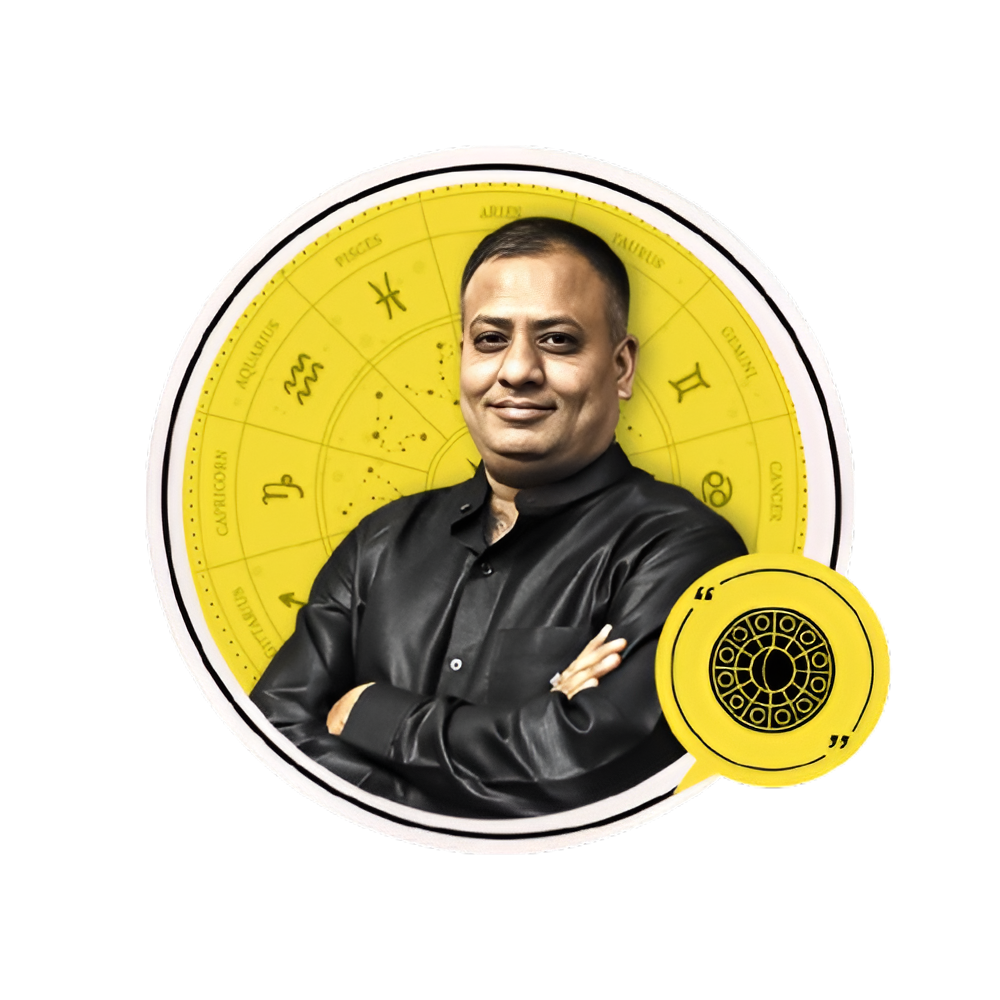
My dear friends, seekers on the path of truth and wisdom, welcome to abhisheksoni.in! As an astrologer, I often witness the profound impact that cosmic rhythms have on our lives. Among the many spiritual practices rooted in these ancient rhythms, one stands out for its immense power to transform and uplift: **Ekadashi fasting**. It's more than just abstaining from food; it's a sacred journey, a cosmic alignment, and a potent tool for spiritual enlightenment that I'm thrilled to share with you today.
You see, in our busy, modern lives, we often crave something deeper, something that connects us to our true selves and the universe. Ekadashi offers precisely that – a dedicated space for introspection, purification, and accelerating our spiritual growth. Let's delve into the incredible power of this ancient observance together.
Welcome to the Path of Ekadashi!
Imagine a celestial rhythm so potent that it can cleanse your mind, purify your body, and elevate your spirit. That, my friends, is the essence of Ekadashi. For centuries, sages, mystics, and spiritual aspirants have leveraged the unique energy of this lunar day to deepen their connection with the divine and experience profound inner peace. It's not about deprivation; it's about **conscious choice**, about redirecting our energies from the mundane to the spiritual, from external gratification to internal fulfillment.
As your guide, I want to demystify Ekadashi fasting and show you how to truly harness its power. Whether you're a seasoned spiritual practitioner or just beginning your journey, the insights we'll explore today will empower you to integrate this incredible practice into your life and unlock a new dimension of spiritual understanding.
What Exactly is Ekadashi? More Than Just a Fast
At its core, Ekadashi is the eleventh day of each waxing (Shukla Paksha) and waning (Krishna Paksha) moon cycle in the Hindu lunar calendar. This means there are typically **24 Ekadashis in a year**, sometimes 26 in a leap year. Each Ekadashi is auspicious and carries a unique name and significance, often associated with a particular form of Lord Vishnu.
The Lunar Rhythm and Our Inner World
From an astrological perspective, the Moon plays a pivotal role in our lives. It governs our **mind, emotions, subconscious, and the water element** within our bodies. As the Moon waxes and wanes, its gravitational pull affects the Earth, including the tides and, by extension, the water content in our bodies. This is why many people feel more emotional or restless around the full and new moons.
Ekadashi, being the eleventh day, is a specific point in this lunar cycle where the Moon's influence on our mental and emotional states is particularly potent, offering an opportune window for self-control and purification. By consciously regulating our intake of food and focusing our minds, we can mitigate the erratic influences of the Moon and bring ourselves into greater balance.
The Divine Connection
Spiritually, Ekadashi is primarily dedicated to **Lord Vishnu**, the preserver of the universe. It is believed that observing Ekadashi with devotion pleases Lord Vishnu and grants immense spiritual merit. Each Ekadashi has a unique story, often involving a demon or an adverse situation overcome by Vishnu, symbolizing the victory of good over evil, and of spiritual resolve over material attachments.
The Astrological Tapestry of Ekadashi: Why the Moon Matters
As an astrologer, I cannot emphasize enough the connection between the Moon and our spiritual well-being. Your birth chart reveals the position of the Moon at your time of birth, indicating your fundamental emotional nature and how you process experiences. During Ekadashi, we are given a cosmic gift to work with the lunar energies in a constructive way.
Moon's Influence on Mind and Body
The Moon directly influences the **water element (Jala Tattva)** in our bodies, which makes up a significant portion of our physical being. It also governs the subtle channels (nadis) through which our life force (prana) flows. When we consume heavy foods, especially grains, on Ekadashi, it can burden our digestive system, making it harder for our minds to remain clear and focused. This is particularly true during the lunar transitions.
By fasting, even partially, we give our digestive system a rest, allowing the body to cleanse itself. This physical lightness directly translates to **mental clarity and emotional stability**. The mind, often turbulent and distracted by sensory inputs, becomes calmer and more receptive to higher vibrations.
Astrological Benefits of Fasting on Ekadashi
- **Strengthening the Moon (Chandra):** Fasting on Ekadashi is an excellent remedy for a weak or afflicted Moon in your birth chart. It helps stabilize emotions, reduce anxiety, and foster inner peace.
- **Harmonizing Emotions:** For those prone to mood swings, excessive worry, or emotional instability, regular Ekadashi observance can be incredibly grounding.
- **Boosting Intuition:** A calm mind, less cluttered by physical toxins and emotional turbulence, is more open to intuitive insights and spiritual guidance.
- **Karmic Purification:** It is believed that fasting on Ekadashi helps burn off negative karma, especially those related to past actions influenced by emotional instability or attachment.
- **Enhancing Meditation and Prayer:** With a clearer mind and lighter body, your spiritual practices like meditation, mantra chanting, and prayer become much deeper and more fruitful.
The Multifaceted Power of Ekadashi Fasting
The benefits of Ekadashi fasting extend far beyond merely physical detoxification. It's a holistic practice that touches every aspect of our being.
Spiritual Enlightenment: The Ultimate Goal
This is where the true power lies. Ekadashi fasting is a direct path to **spiritual enlightenment** for several reasons:
- **Detachment from Material Desires:** When you consciously choose to abstain from food, you are practicing detachment. You are telling your senses and your mind that you are in control, not your desires. This practice gradually weakens the grip of material attachments.
- **Cultivating Self-Control (Indriya Nigraha):** The ability to control your senses is fundamental to spiritual progress. Ekadashi provides a regular opportunity to exercise this muscle, strengthening your willpower and discipline.
- **Focusing on the Divine:** The energy saved from digestion and pursuit of taste can be redirected towards remembrance of God, chanting mantras, reading scriptures, and meditation. This sustained focus elevates consciousness.
- **Internal Purification:** Beyond the physical, the spiritual fast purifies the subtle body, clearing energetic blockages and allowing higher spiritual energies to flow more freely.
- **Experiencing Inner Silence:** When the mind is free from the constant chatter of desires and the body is light, you can more easily tap into the deep well of inner silence, where true wisdom resides.
Mental Clarity and Emotional Balance
Have you ever noticed how heavy you feel after a large meal, both physically and mentally? Fasting reverses this. Your mind becomes sharper, your thoughts clearer, and your emotional responses more balanced. This is because the body isn't expending vast amounts of energy on digestion, freeing up resources for cognitive functions and emotional regulation.
Physical Detoxification and Rejuvenation
Even science backs the benefits of intermittent fasting! Giving your digestive system a break allows your body to enter a state of **autophagy**, where cells clean out damaged components and regenerate. This leads to:
- Improved digestion and gut health.
- Enhanced cellular repair.
- Increased energy levels (after the initial adjustment).
- Better metabolism and weight management.
- A general feeling of lightness and vitality.
Karmic Cleansing
In Vedic tradition, every action carries a reaction. Fasting on Ekadashi is believed to be a potent way to **burn off accumulated negative karma**. By performing this act of devotion and self-discipline, you are actively purifying your karmic ledger, paving the way for a smoother, more spiritually aligned future. It's an opportunity for spiritual reset, helping you break free from repeating patterns.
Practical Insights: Your Ekadashi Fasting Journey
Now that you understand the immense power, let's talk practicalities. How do you observe Ekadashi to truly harness its benefits?
Who Can Observe Ekadashi?
Most individuals can observe Ekadashi. However, there are exceptions. Children, the elderly, pregnant or nursing women, and those with chronic health conditions (like diabetes, severe anemia, or heart issues) should **consult their doctor** before fasting. In such cases, one can still observe Ekadashi by simply avoiding grains, legumes, and certain spices, focusing instead on fruits, vegetables, and milk products, or by dedicating time to spiritual practices.
Types of Ekadashi Fasts
- **Nirjala Fast (Waterless):** The most stringent, involving no food or water for 24 hours. Recommended only for those with excellent health and prior experience.
- **Phalahari Fast (Fruit/Water Fast):** Consuming only fruits, water, milk, and certain vegetables. This is a common and highly beneficial option.
- **Falahari (Ekasana) Fast:** Eating only one meal, often in the afternoon, consisting of permitted foods (fruits, vegetables, certain flours like kuttu or singhara).
- **Partial Fast:** Avoiding grains, legumes, and specific spices, but consuming other permitted foods like fruits, vegetables, dairy, and nuts throughout the day. This is a great starting point for beginners.
I always advise my clients to start with a partial or Falahari fast and gradually work their way up if they feel called to it. **Listen to your body** and respect its limits.
Preparing for Your Fast
- **Hydrate Well:** Drink plenty of water the day before.
- **Light Meal:** Have a light, sattvic meal the evening before Ekadashi.
- **Set Intention:** Clearly state your intention for the fast – be it spiritual growth, healing, or offering devotion. This makes the experience much more meaningful.
- **Plan Your Day:** Plan spiritual activities like chanting, meditation, reading scriptures, or listening to discourses.
What to Consume (and What to Avoid)
This is crucial for a proper Ekadashi fast. The general rule is to avoid grains and legumes, as they are considered heavy and can promote tamasic (inertia) and rajasic (restlessness) qualities in the body and mind, which are counterproductive to spiritual focus.
Foods to **Avoid** on Ekadashi:
- Rice, wheat, corn, barley, oats, all lentils (dal), chickpeas, beans (including soy products).
- Spices like turmeric, asafoetida, fenugreek, mustard, garam masala.
- Salt (some traditions allow rock salt/sendha namak).
- Onions and garlic.
- Non-vegetarian food.
Foods to **Consume** on Ekadashi:
- Fruits (fresh and dried).
- Vegetables (potatoes, sweet potatoes, taro, yam, spinach, bottle gourd, pumpkin, tomatoes, cucumber).
- Dairy products (milk, yogurt, paneer, ghee).
- Nuts (almonds, walnuts, cashews).
- Buckwheat (kuttu), water chestnut flour (singhara atta), sabudana (tapioca pearls).
- Rock salt (sendha namak) instead of regular salt.
- Ginger and green chilies for flavor.
- Herbal teas, water, fresh fruit juices.
Remember, the goal is not to starve yourself but to simplify your diet and lighten your internal system to facilitate spiritual focus.
Breaking Your Fast (Parana)
The time for breaking the fast (Parana) is as important as the fast itself. It must be done within a specific window the day after Ekadashi (Dwadashi) to reap the full benefits. This window is usually a few hours after sunrise.
- **Consult a Calendar:** Always check a reliable Hindu calendar or an app for the exact Parana timings for your location.
- **Start Light:** Break your fast with a small amount of water or fruit, followed by a light, sattvic meal that includes grains or lentils (often a single grain like rice).
- **Avoid Overeating:** Do not gorge yourself after the fast. Gradually reintroduce foods to avoid upsetting your digestive system.
Common Pitfalls and How to Navigate Them
Even with the best intentions, challenges can arise during Ekadashi fasting. Here’s how to gracefully overcome them:
Over-Fasting or Under-Fasting
Some beginners jump straight to Nirjala, leading to exhaustion or health issues. Others might treat it as just another diet day, missing the spiritual essence. **The key is balance and intention.** Start gradually, focusing on the spiritual purpose. If you feel unwell, it's okay to break the fast lightly and try again next time with a milder approach. Lord Vishnu values your devotion and effort more than strict adherence that causes suffering.
Mental Distractions
Our minds are masters of distraction. On Ekadashi, you might find your thoughts constantly drifting to food, or feeling restless.
- **Engage in Spiritual Activities:** This is your best defense. Chanting, reading, listening to spiritual discourses, or meditating will redirect your mind.
- **Stay Hydrated:** Sometimes, what feels like hunger is actually thirst.
- **Accept and Observe:** Don't fight the thoughts. Simply observe them without judgment and gently bring your mind back to your spiritual practice.
Social Pressures
In a world that often revolves around food, observing a fast can sometimes lead to questions or even pressure from friends and family.
- **Polite Explanation:** Briefly explain your practice without being preachy.
- **Focus on Your Purpose:** Remember why you are doing it. Your spiritual journey is personal.
- **Plan Ahead:** If you have social engagements, you might opt for a very light partial fast or simply explain that you're choosing simpler foods that day.
Ekadashi Remedies: Enhancing Your Spiritual Practice
Beyond the fast itself, there are specific practices and remedies you can incorporate to amplify the benefits of Ekadashi, especially from an astrological perspective.
Mantra Chanting
This is arguably the most powerful practice on Ekadashi. Chanting the names of Lord Vishnu or Krishna purifies the mind and connects you directly to the divine energy.
- **"Om Namo Bhagavate Vasudevaya"**: A universal mantra for Vishnu devotees.
- **Hare Krishna Mahamantra**: "Hare Krishna, Hare Krishna, Krishna Krishna, Hare Hare / Hare Rama, Hare Rama, Rama Rama, Hare Hare".
- Chant on a rosary (Japa Mala) for a specified number of rounds (e.g., 108, 16 rounds). The vibrations of the mantra cleanse your aura and mind.
Donations and Seva (Selfless Service)
Performing acts of charity on Ekadashi is highly meritorious.
- **Food Donation:** Donate grains or cooked food to temples, ashrams, or those in need *the day after Ekadashi* (never on Ekadashi itself if you're avoiding grains).
- **Financial Contributions:** Support spiritual causes, orphanages, or old-age homes.
- **Seva:** Offer your time and effort in a temple or for a charitable cause.
Specific Deities for Each Ekadashi
Each Ekadashi is associated with a specific name or form of Lord Vishnu, and sometimes a particular purpose. Researching the specific Ekadashi you are observing and meditating on that particular form of Vishnu can deepen your experience. For instance, Yogini Ekadashi for removing disease, Devshayani Ekadashi marking Vishnu's slumber, etc. This helps in tailoring your prayers and intentions.
Astrological Integration
If you have a particularly afflicted Moon in your birth chart (e.g., Moon in a debilitated sign, conjoined with Rahu/Ketu, or in the 6th, 8th, or 12th house), observing Ekadashi regularly can act as a powerful astrological remedy.
- **Wear Pearl:** If suitable per your chart, wearing a natural pearl (mukta) on your little finger can also help strengthen the Moon. (Always consult an astrologer before wearing gemstones).
- **Offer Water to the Moon:** While not directly related to Ekadashi fasting, offering water to the Moon on Purnima (full moon) and chanting Moon mantras can complement your Ekadashi practice.
Beyond the Fast: Integrating Ekadashi Wisdom into Daily Life
The true power of Ekadashi isn't just in the 24 hours of fasting; it's in the lessons and insights you carry forward into your daily life. It's about cultivating a sustained spiritual consciousness.
Cultivating Mindfulness
The clarity and self-awareness gained during Ekadashi can be extended to your daily routine. Practice mindfulness in eating, speaking, and working. Be present in every moment.
Gratitude and Humility
Fasting often brings a deep sense of gratitude for the food we usually take for granted. Carry this gratitude forward. Cultivate humility, recognizing that all blessings come from a higher source.
Consistency is Key
Like any spiritual practice, consistency yields the most profound results. Don't be discouraged if you falter sometimes. Just pick yourself up and observe the next Ekadashi with renewed determination. Each Ekadashi is a fresh opportunity, a new beginning.
My dear friends, Ekadashi fasting is a sacred journey, a powerful tool handed down through generations for our spiritual upliftment. It's an opportunity to harmonize with cosmic energies, purify your being, and ultimately, draw closer to the divine. Embrace this practice with an open heart, a clear intention, and unwavering devotion, and witness the incredible power it unleashes for your spiritual enlightenment.
May your Ekadashi observances be filled with peace, clarity, and profound spiritual experiences. Jai Sri Krishna!