Ekadashi Puja Timings: Unlock Auspicious Moments For Spiritual Blessings
Ekadashi Puja Timings: Unlock Auspicious Moments For Spiritual Blessings...
Ekadashi Puja Timings: Unlock Auspicious Moments For Spiritual Blessings
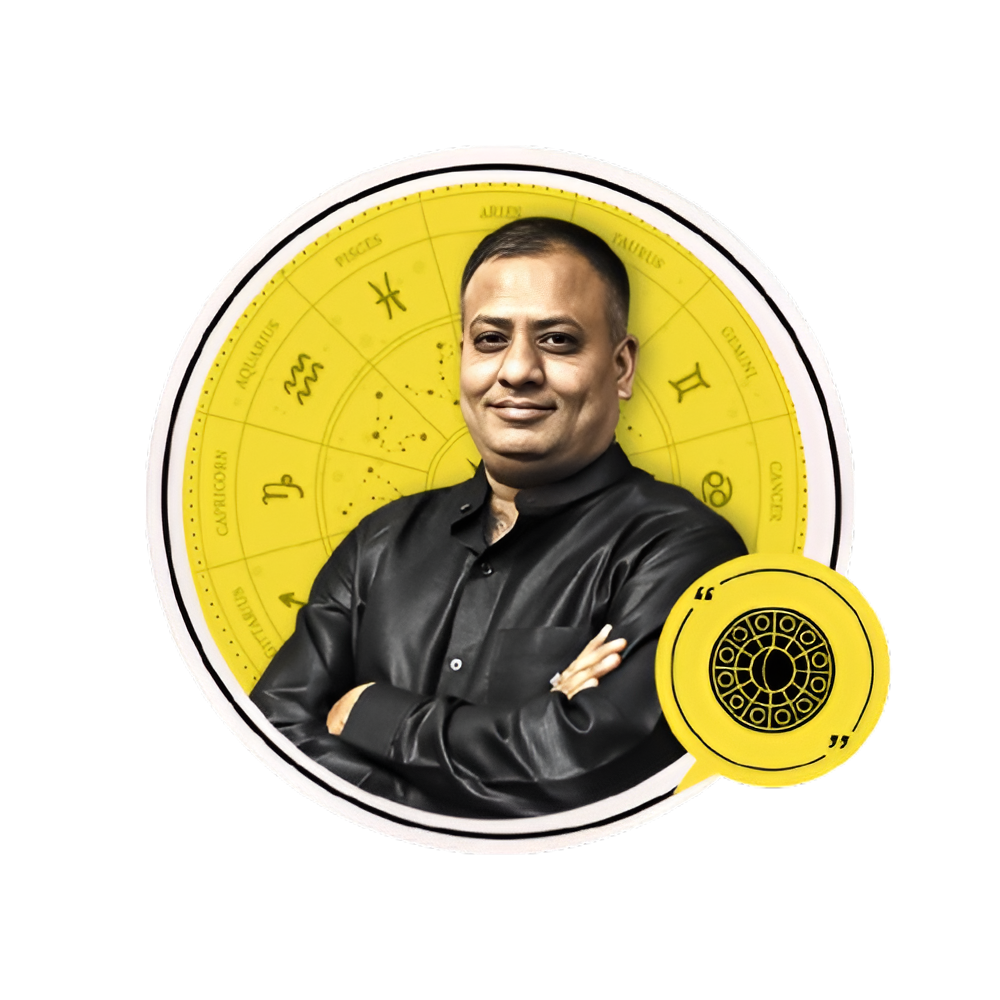
My dear spiritual seekers, fellow travelers on the path of divine wisdom, I’m Abhishek Soni, your guide through the fascinating world of astrology and ancient practices. Today, we're going to delve deep into a topic that holds immense spiritual power and often, a fair bit of confusion: Ekadashi Puja Timings. Many of you ask me, "Abhishek ji, what is the exact Ekadashi Puja Ka TimeHow do I ensure my fast and prayers are truly auspicious?" And believe me, these are not just valid questions, they are crucial for maximizing the spiritual benefits of this sacred day.
Ekadashi, the eleventh day of each lunar fortnight, dedicated to Lord Vishnu, is a day brimming with divine energy. It's a powerful opportunity to cleanse your mind, body, and soul, and to draw closer to the divine. But just like planting a seed requires understanding the right season, soil, and sunlight, observing Ekadashi effectively requires precise knowledge of its timings. Miss the window, and you might inadvertently diminish the spiritual fruit of your efforts. So, let’s unlock these auspicious moments together.
Understanding the Essence of Ekadashi: A Gateway to Vishnu's Grace
Before we dissect the timings, let’s quickly revisit why Ekadashi is so profoundly significant. According to Hindu scriptures, particularly the Puranas, Ekadashi emerged from Lord Vishnu to defeat a powerful demon, Mura. Thus, she is considered a manifestation of Vishnu’s own power, capable of absolving sins and bestowing liberation. Observing Ekadashi, therefore, is not merely a ritual; it's a heartfelt expression of devotion, a spiritual discipline that purifies and elevates.
The benefits extend beyond the spiritual realm:
- Mental Clarity: Fasting can calm the mind, improve focus, and reduce mental fog.
- Physical Detoxification: Giving your digestive system a rest allows the body to cleanse and rejuvenate.
- Spiritual Growth: Dedicated prayer, meditation, and self-reflection deepen your connection with the divine.
- Accumulation of Punya (Merit): Each Ekadashi observed with sincerity adds to your spiritual bank balance, paving the way for peace and prosperity.
As an astrologer, I can tell you that the moon's influence on Ekadashi is particularly strong. The moon governs our mind and emotions. On the eleventh tithi, the moon's energy subtly shifts, making it an ideal time for introspection and spiritual practices. Observing Ekadashi in harmony with these cosmic rhythms is key to harnessing its full potential.
The Heart of the Matter: Decoding Ekadashi Puja Ka Time
Here’s where it gets interesting and where precision becomes paramount. Many believe that Ekadashi simply starts at sunrise on the eleventh day and ends at sunrise on the twelfth. While partially true, it's a simplification that can lead to errors, especially regarding the most critical aspect: Parana time.
The traditional Hindu calendar, the Panchang, calculates timings with incredible astronomical precision. This isn't just about marking a date; it's about identifying the exact astronomical alignment that constitutes the "tithi" or lunar day.
The Crucial Role of Parana Timings
If you take away one thing from this post, let it be this: understanding Parana time is as important, if not more important, than observing the fast itself. Parana refers to the act of breaking the Ekadashi fast. If Parana is not performed at the correct time, the entire fast might not yield its desired spiritual results. It's like reaching the finish line of a marathon but then forgetting to cross it!
Parana is typically performed on the Dwadashi (the twelfth lunar day), within a specific window after sunrise. This window can be short, sometimes just a few hours. Breaking the fast too early (before the prescribed time) or too late (after Dwadashi tithi ends, or during the Hari Vasara period) can negate the benefits of the fast.
Factors Influencing Ekadashi Puja Timings: Practical Insights from an Astrologer
The exact Ekadashi timings are not universal. They vary significantly based on several astrological and geographical factors. This is why simply looking up "Ekadashi date" online isn't always enough. You need to consider:
1. Your Geographical Location (Sunrise and Sunset)
All spiritual timings, especially for fasting, are tied to the local sunrise (Suryodaya) and sunset (Suryast). An Ekadashi in Mumbai will have different specific timings than one in Delhi or New York, simply because the sun rises and sets at different times in these locations. Always ensure you are checking timings for your specific city or region.
2. Tithi Kshaya and Tithi Vriddhi (Lunar Day Compression/Expansion)
The lunar calendar isn't perfectly consistent. Sometimes a tithi might be "kshay" (compressed), meaning it starts and ends within a single sunrise-to-sunrise day, or even gets skipped. Other times, it can be "vriddhi" (expanded), lasting longer. These variations directly impact the start and end of Ekadashi and, consequently, the Parana time.
3. The Dreaded Dashami Viddha Ekadashi: A Pitfall to Avoid!
This is perhaps the most critical factor and a common source of error. Dashami Viddha Ekadashi occurs when the Dashami tithi (tenth lunar day) extends into the sunrise of the Ekadashi tithi. According to Vaishnava tradition, one must never observe Ekadashi if it is "viddha" or contaminated by Dashami. If Dashami tithi is present even for a short while at the time of sunrise on the eleventh day, the fast is usually observed on the next day, i.e., on Dwadashi (which then becomes a "Smarta Ekadashi").
Why is this so important? Scriptures state that fasting on a Dashami Viddha Ekadashi is considered impure and can even lead to adverse spiritual effects. Always, always check for Viddha Dosha. This is where a reliable Panchang or an experienced astrologer becomes your best friend.
4. Dwadashi Tithi and Hari Vasara
The Parana (breaking of fast) must be done during the Dwadashi tithi, but critically, after sunrise and before the Dwadashi tithi ends, and also outside of Hari Vasara. Hari Vasara is the first one-fourth period of the Dwadashi tithi. It is considered inauspicious to break the fast during Hari Vasara. So, your Parana window is usually after Hari Vasara ends, and before Dwadashi tithi concludes.
How to Determine Your Ekadashi Puja Timings: Practical Steps for Every Devotee
Now that we understand the complexities, how do we actually find these precise timings for our Ekadashi fast?
1. Consult a Reliable Panchang (Hindu Calendar)
This is the most authentic source. A good quality Panchang will clearly indicate:
- Ekadashi start and end times (tithi timings).
- Sunrise and sunset times for major cities.
- Crucially, the Parana timings for Dwadashi, specifying the start and end of the window.
- Whether an Ekadashi is Dashami Viddha.
Look for Panchangs published by reputable astrological or religious institutions. Many temples also publish their local calendars.
2. Utilize Online Resources and Apps (With Caution!)
Many reliable websites and mobile applications now offer Ekadashi timings. Look for those that allow you to input your specific location. Apps from ISKCON, Drik Panchang, or similar platforms are often accurate. However, always cross-reference if possible, especially when dealing with Viddha Ekadashi.
3. Seek Guidance from a Local Astrologer or Temple Priest
For absolute certainty, especially if you're new to observing Ekadashi, consult a local priest or an experienced astrologer. They can provide precise timings tailored to your exact location and clarify any doubts regarding Viddha Dosha or other intricate rules.
Performing Parana: The Climax of Your Fast
Once you have your accurate Parana time, the act itself is simple but significant. It involves consuming a small amount of food after your Ekadashi fast to formally break it. Traditionally, this could be a grain of rice, a tiny piece of fruit, or even a sip of water, but it must be something that was prohibited during the fast. The intention is to signify the completion of the vow. Always remember to offer a prayer of gratitude to Lord Vishnu before breaking your fast.
The Rituals of Ekadashi: Beyond Just Timings, A Holistic Approach
While timing is critical, the spirit and rituals of Ekadashi are equally important. Here’s a comprehensive guide to observing this sacred day:
1. Sankalpa (Taking the Vow)
On Dashami evening, ideally before sunset, take a vow to observe the Ekadashi fast. This firm intention, made with a pure heart, is the first step. Mentally or verbally declare your fast for Lord Vishnu's pleasure and for your spiritual purification.
2. Preparation: Diet and Cleanliness
- Dashami Meal: On the day before Ekadashi (Dashami), consume a light, sattvic meal. Avoid heavy, tamasic foods (like meat, eggs, onions, garlic), and grains (rice, wheat, lentils) as these carry over into the system and can hinder the detoxification process.
- Cleanliness: Ensure your home and body are clean. Take a purifying bath on Ekadashi morning.
3. Types of Fasting on Ekadashi
The intensity of the fast can vary based on individual capacity and health:
- Nirjala Vrat: The most stringent fast, observing no food or water for 24 hours. Recommended only for those in excellent health and with strong willpower.
- Phalahari Vrat: Consuming only fruits, milk, nuts, and specific non-grain items (like sabudana, kuttu, singhara flour). This is a very common and highly recommended form.
- Partial Fast: Avoiding grains, beans, and lentils, but consuming other permitted foods once a day.
- Simple Vrat: Just avoiding rice. This is for beginners or those with health conditions preventing stricter fasts.
Important: Always prioritize your health. It is better to observe a less stringent fast with devotion than to endanger your health trying to perform a Nirjala fast.
4. Ekadashi Puja Vidhi: Engaging Your Senses in Devotion
- Early Morning Bath: Take a holy bath before sunrise.
- Altar Preparation: Clean your puja altar. Place an idol or picture of Lord Vishnu (or His avatars like Krishna, Rama).
- Offerings: Offer fresh flowers, tulsi leaves (Lord Vishnu's favorite!), fruits, sweets, incense, and a lamp (diya).
- Mantra Chanting: Chant the Maha Mantra "Hare Krishna Hare Krishna, Krishna Krishna Hare Hare / Hare Rama Hare Rama, Rama Rama Hare Hare" or "Om Namo Bhagavate Vasudevaya" as many times as possible.
- Reading Scriptures: Read from the Bhagavad Gita, Srimad Bhagavatam, or Vishnu Sahasranama.
- Aarti: Perform Aarti to Lord Vishnu in the morning and evening.
- Charity: If possible, donate to the needy or engage in acts of selfless service.
- Night Vigil (Jagran): Some devotees stay awake all night, chanting and praying, to deepen their spiritual experience.
5. Avoiding Forbidden Foods on Ekadashi
Even if you are not strictly fasting, certain foods are universally avoided on Ekadashi:
- Grains (rice, wheat, barley, corn, oats)
- Beans and lentils (dal, chickpeas, kidney beans)
- Onions and garlic
- Meat, fish, eggs
The reasoning behind avoiding these foods is rooted in Ayurveda and ancient wisdom, suggesting they carry energies that are not conducive to spiritual introspection on this particular day.
Specific Ekadashis and Their Unique Significance
While the general principles apply, some Ekadashis hold special significance:
- Nirjala Ekadashi: The most revered and strictest Ekadashi, observed without water. It is believed that observing Nirjala Ekadashi alone bestows the merit of all 24 Ekadashis of the year. Its precise timings are crucial due to its severity.
- Devshayani Ekadashi: Marks the beginning of Chaturmas, a four-month period when Lord Vishnu is believed to rest.
- Devuthani Ekadashi: Signifies the awakening of Lord Vishnu and the end of Chaturmas, opening the season for auspicious events like weddings.
- Mokshada Ekadashi: Celebrated during the Shukla Paksha of Margashirsha month, it is believed to grant liberation (moksha) from the cycle of rebirth.
Each Ekadashi has its own legend and specific benefits, but the core practice of devotion and careful adherence to timings remains universal.
Common Mistakes to Avoid and Astrological Remedies
As your astrologer, I want to equip you with the knowledge to avoid common pitfalls:
- Ignoring Dashami Viddha: This is the biggest error. If an Ekadashi is Dashami Viddha, observe the fast on Dwadashi. Do not let misguided information lead you to fast on the wrong day.
- Improper Parana Time: Breaking the fast too early or too late can diminish the fast's benefits. Always verify your Parana window. If you accidentally miss the Parana window, you can still perform a symbolic Parana by offering prayers and consuming a permitted food item, but be mindful for next time.
- Lack of Sincerity: Fasting without devotion, with a complaining attitude, or solely for worldly gains may not yield the deepest spiritual benefits. Focus on your inner connection with Lord Vishnu.
- Consuming Forbidden Foods: Even small lapses can dilute the purity of the fast. Be vigilant about ingredients.
- Neglecting Charity: Sharing your blessings and performing acts of kindness amplifies the spiritual merit of your Ekadashi observance.
Astrological Insight: Observing Ekadashi meticulously can significantly strengthen your Jupiter (Guru) and Moon (Chandra) in your birth chart. Jupiter rules dharma, wisdom, and prosperity, while the Moon governs emotions and the mind. A well-observed Ekadashi enhances these planetary energies, leading to greater peace, spiritual understanding, and overall well-being. It's a powerful astrological remedy for various doshas related to these planets.
Your Spiritual Journey on Ekadashi
My dear readers, Ekadashi is more than just a day of fasting; it's a day of spiritual awakening. It's a personal journey of self-discipline, devotion, and purification. By understanding and meticulously following the Ekadashi Puja Timings, especially the crucial Parana time, you are not just adhering to rules; you are aligning yourself with the cosmic rhythm, inviting profound spiritual blessings into your life.
So, the next time Ekadashi approaches, don't just mark the date. Take the time to consult a reliable Panchang, verify the Parana timings for your location, and embark on your fast with a clear mind and a devoted heart. May Lord Vishnu bless you with boundless grace, peace, and spiritual illumination on your journey. Hari Om Tat Sat!