How to Perform Ekadashi Puja: Simple Steps for Divine Blessings
My dear friends, seekers of divine wisdom and spiritual solace, greetings to you from abhisheksoni.in! As an astrologer deeply rooted in the ancient Vedic traditions, I’ve had the profound privilege o...
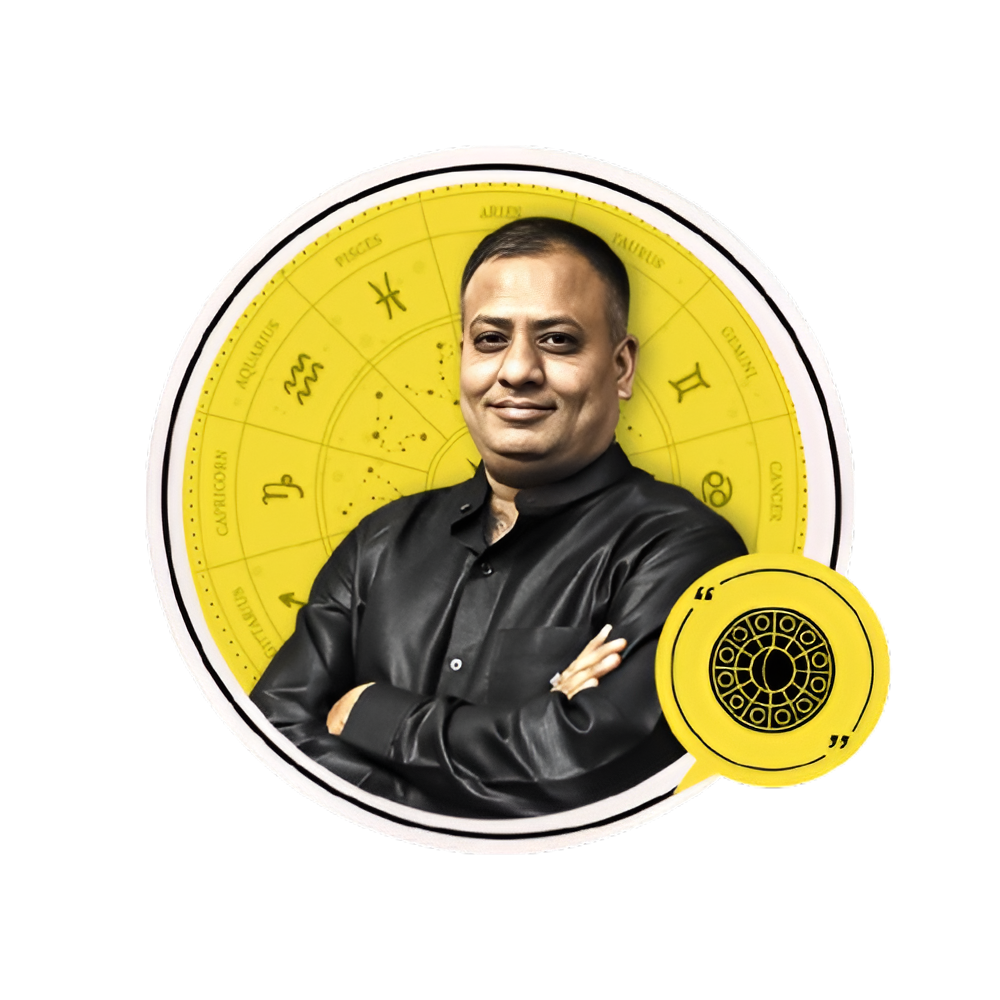
My dear friends, seekers of divine wisdom and spiritual solace, greetings to you from abhisheksoni.in! As an astrologer deeply rooted in the ancient Vedic traditions, I’ve had the profound privilege of guiding countless individuals on their path to inner peace and prosperity. Today, I want to open my heart and share with you the sacred wisdom surrounding one of the most potent and transformative spiritual observances in Hinduism: Ekadashi Puja.
You see, in our fast-paced lives, it's easy to feel disconnected, to lose touch with the profound energies that govern our existence. Ekadashi, a day dedicated to Lord Vishnu, offers us a unique opportunity to pause, purify, and reconnect with the divine. It's not just a ritual; it's a journey of self-discovery, a pathway to earning immense blessings and cleansing our karmic slate. And believe me, the rewards are truly boundless.
Many of you often ask me, "Abhishek ji, how do I perform Ekadashi Puja? What are the correct steps? How can I truly benefit from this powerful vrat?" This comprehensive guide is my humble attempt to answer all those questions, to simplify the process, and to empower you to perform Ekadashi Puja with confidence, devotion, and understanding. Whether you're a seasoned devotee or a curious beginner, this post will walk you through every essential step, ensuring your efforts bear the sweetest fruits of divine grace.
The Sacred Significance of Ekadashi: Why We Observe It
Before we dive into the "how-to," let’s first understand the "why." What makes Ekadashi so special? The word "Ekadashi" literally means the eleventh day, referring to the eleventh day of each lunar fortnight in the Hindu calendar. This means there are two Ekadashis in a month, making it a powerful bi-monthly opportunity for spiritual elevation.
The primary deity associated with Ekadashi is Lord Vishnu, the preserver of the universe. According to ancient scriptures, a powerful demon named Mura once tormented the devas. Lord Vishnu, in His infinite mercy, manifested a female energy from His own being, who then slayed Mura. This divine shakti came to be known as Ekadashi, and Lord Vishnu granted her the boon that anyone who observes a fast on this day would be freed from sins and attain liberation.
Observing Ekadashi is far more than just fasting; it's a complete spiritual package. It involves:
- Physical Purification: Fasting gives our digestive system a much-needed rest, aiding detoxification and improving overall health.
- Mental Clarity: By diverting focus from food, our minds become calmer, more concentrated, and receptive to spiritual thoughts.
- Spiritual Advancement: Dedicating the day to Vishnu mantras, meditation, and good deeds helps accumulate positive karma and draws us closer to the divine.
- Karmic Cleansing: It is believed that observing Ekadashi sincerely can alleviate past sins and mitigate negative karmic influences.
- Fulfillment of Desires: Different Ekadashis are associated with specific benefits, from wealth and progeny to health and liberation.
As I always tell my clients, the intention behind your actions is paramount. Approach Ekadashi with a heart full of devotion and a sincere desire for spiritual growth, and you will undoubtedly experience its transformative power.
Understanding the Types of Ekadashi
There are 24 Ekadashis in a calendar year, sometimes 26 in a leap year (due to Adhik Maas). Each Ekadashi has a unique name and a specific story (Mahatmyam) associated with it, highlighting particular benefits. For example:
- Nirjala Ekadashi: Considered the most potent, observed without water, granting benefits equivalent to all 24 Ekadashis.
- Devshayani Ekadashi: Marks the beginning of Chaturmas, when Lord Vishnu is believed to rest.
- Mokshada Ekadashi: Believed to grant liberation and remove ancestral sins.
- Putrada Ekadashi: Observed by couples seeking progeny.
While the specific benefits vary, the core principles of Ekadashi Puja remain consistent. You don't need to know every single one by heart; simply observing any Ekadashi with devotion is highly meritorious.
Who Should Observe Ekadashi Vrat?
While Ekadashi is recommended for everyone, there are some practical considerations:
- Devotees of all ages: Adults, and even children (with lighter observances), can partake.
- Health Conditions: Individuals with severe health issues, diabetes, heart conditions, or pregnant women should exercise caution. In such cases, a complete fast might be detrimental. Lord Vishnu values your devotion (Bhakti) more than strict adherence to rules that compromise your well-being.
- Alternative Observance: If you cannot fast fully, you can observe a partial fast (phalhari – fruits only), consume milk products, or simply dedicate the day to chanting and charity. The key is to minimize worldly indulgences and maximize spiritual focus.
- Panchaka Ekadashi: There are specific rules regarding Ekadashi falling on certain planetary conjunctions (Panchaka). Consulting an astrologer like myself can help clarify these nuances for optimal benefit, though for most, a general observance is perfectly fine.
Remember: The spirit of Ekadashi is self-control and devotion. Do what you can, within your physical and mental limits, but always with a sincere heart.
Preparing for Your Ekadashi Puja: Setting the Stage
Preparation is key to a meaningful Ekadashi. It's not just about the day itself, but also the days leading up to it.
Mental and Spiritual Preparation (Dashami – The Day Before)
The day before Ekadashi is called Dashami. On this day, prepare your body and mind:
- Light Meals: Avoid heavy, non-vegetarian food, alcohol, and excessive spices. Eat simple, saatvic (pure) food.
- Early Dinner: Have your last meal before sunset on Dashami to allow your digestive system to clear.
- Celibacy: Observe celibacy on Dashami and Ekadashi.
- Positive Thoughts: Engage in positive conversations, avoid arguments, and start focusing your mind on Lord Vishnu.
- Sankalpa: Mentally (or verbally) make a resolve (Sankalpa) to observe the Ekadashi Vrat with full devotion.
Physical and Environmental Preparation
- Cleanliness: Take a bath and wear clean clothes on Dashami. Ensure your puja area is thoroughly cleaned.
- Puja Samagri: Gather all necessary items for your puja on Dashami itself, so you don't rush on Ekadashi. This includes:
- Idol or picture of Lord Vishnu/Krishna
- A small kalash (pot) with water
- Tulsi leaves (most important offering for Vishnu)
- Flowers (especially lotus, marigold)
- Sandalwood paste (Chandan)
- Kumkum (red powder)
- Akshat (uncooked rice mixed with kumkum)
- Diya (lamp) with ghee or oil
- Incense sticks (agarbatti)
- Camphor (kapoor)
- Naivedyam (offerings like fruits, milk, sweets – see fasting rules below for what is permissible)
- Bell, conch (shankha)
- A small mat or asana to sit on
The Ekadashi Vrat (Fasting): A Core Practice
Fasting on Ekadashi is a central aspect, but it comes in various forms. Choose the one that suits your health and capacity.
Types of Fasts
- Nirjala Vrat (Waterless Fast): No food, no water from sunrise on Ekadashi to sunrise on Dwadashi (the next day). This is considered the most rigorous and potent.
- Jal Vrat (Water Fast): Only water is consumed.
- Phalhari Vrat (Fruit Fast): Only fruits, milk, and certain permitted vegetables (like potatoes, sweet potatoes, gourd) are consumed. Grains, legumes, and most spices are strictly avoided.
- Milk/Liquid Fast: Only milk, fruit juices, or buttermilk.
- Partial Fast: Avoiding grains, legumes, and heavy foods, but consuming a single light meal of permitted items.
What to Strictly Avoid on Ekadashi
Regardless of the type of fast, these items are generally prohibited:
- Grains: Rice, wheat, corn, barley, oats, semolina (sooji), poha.
- Legumes: All dals (lentils), beans (rajma, chana, moong, urad, masoor), gram flour (besan).
- Certain Spices: Turmeric, asafoetida (hing), mustard seeds, fenugreek seeds. Use rock salt (sendha namak) instead of regular salt.
- Non-vegetarian food, onions, garlic: These are always avoided on spiritual days.
- Alcohol, tobacco.
- Sleeping during the day: Try to stay awake, chant, or meditate.
- Shaving, cutting hair/nails.
- Sexual intercourse.
- Gossip, anger, negative thoughts.
Permitted Foods for Phalhari Vrat
- Fruits: All types of fruits.
- Milk and Dairy Products: Milk, yogurt, paneer, ghee.
- Certain Vegetables: Potatoes, sweet potatoes, arbi, pumpkin, bottle gourd (lauki), raw banana.
- Flours: Kuttu (buckwheat), Singhara (water chestnut), Rajgira (amaranth).
- Nuts and Dry Fruits: Almonds, walnuts, cashews, raisins, dates.
- Sugar: Jaggery, honey, natural sugar.
- Spices: Cumin (jeera), black pepper, green chilies, ginger. Use sendha namak.
My advice: Keep it simple. Don't try to make elaborate Ekadashi dishes. The focus is on devotion, not feasting.
Step-by-Step Guide to Ekadashi Puja
Now, let’s get to the heart of the matter – how to perform Ekadashi Puja. This is a simple, yet profound, sequence of actions designed to connect you with Lord Vishnu.
1. Early Morning Rituals (Brahma Muhurta)
- Wake Up Early: Ideally, before sunrise during Brahma Muhurta (approx. 1.5 hours before sunrise).
- Purification (Snanam): Take a purifying bath, ideally in cold water. Mentally chant "Om Namo Bhagavate Vasudevaya" or any Vishnu mantra while bathing.
- Clean Clothes: Wear clean, preferably freshly laundered, clothes.
- Sankalpa (Intention): Sit quietly in front of your altar or in your puja room. Hold a few drops of water in your right palm, make your Sankalpa (resolve) to observe the Ekadashi Vrat with devotion for the well-being of yourself and all beings, and then offer the water to the earth.
2. Setting Up the Altar
Your altar should be clean and serene. Arrange the items you prepared on Dashami:
- Place the idol or picture of Lord Vishnu/Krishna.
- Keep the kalash filled with water, possibly with a few Tulsi leaves in it.
- Arrange flowers, Tulsi leaves, sandalwood paste, kumkum, akshat.
- Light the diya (lamp) with ghee or oil.
- Light incense sticks.
- Keep the Naivedyam (offerings) ready.
3. The Puja Procedure (Detailed Steps)
You can follow a simplified Panchopachara Puja (five-step worship) or a more elaborate Shodashopachara Puja (sixteen-step worship). Here’s a practical, accessible guide:
- Dhyanam (Meditation & Invocation): Close your eyes, meditate on the form of Lord Vishnu/Krishna, visualize His serene presence. Chant a simple mantra like "Om Namo Bhagavate Vasudevaya" or "Hare Krishna Hare Krishna, Krishna Krishna Hare Hare / Hare Rama Hare Rama, Rama Rama Hare Hare".
- Avahanam (Invitation): Invite the Lord to be present in your idol/picture. "Om Sri Vishnave Namaha, Avahayami" (I invite Lord Vishnu).
- Pushpam (Offering Flowers): Offer fresh flowers and Tulsi leaves to the deity. Tulsi is extremely dear to Lord Vishnu, so offer as many as you can.
- Chandan & Kumkum (Applying Tilak): Apply sandalwood paste and kumkum to the forehead of the deity (or on the picture).
- Dhoopam (Incense): Light incense sticks and offer their fragrance to the deity, moving them clockwise.
- Deepam (Lamp): Show the lighted diya to the deity, moving it clockwise.
- Naivedyam (Food Offering): Offer the permitted fruits, milk, sweets, or other simple foods you prepared. Place them in front of the deity.
- Jal Samarpan (Water Offering): Offer a small amount of water to the deity after the food offering, signifying purification.
- Mantra Japa (Chanting): This is a crucial part. Spend a significant amount of time chanting Lord Vishnu's mantras. You can use a mala (rosary) for counting.
- Mahamantra: "Hare Krishna Hare Krishna, Krishna Krishna Hare Hare / Hare Rama Hare Rama, Rama Rama Hare Hare"
- Moola Mantra: "Om Namo Bhagavate Vasudevaya"
- Vishnu Sahasranamam: Reciting or listening to the thousand names of Vishnu is highly meritorious.
Focus on the sound and the meaning. Let your mind be absorbed in devotion.
- Ekadashi Mahatmyam (Listening to the Story): Read or listen to the story associated with that particular Ekadashi. This deepens your understanding and devotion.
- Aarti (Waving of Lamps): Perform Aarti using camphor or a ghee lamp. Sing devotional songs (bhajans) in praise of Lord Vishnu.
- Pranama (Prostration): Offer your humble prostrations to Lord Vishnu, seeking forgiveness for any mistakes and blessings for your spiritual journey.
- Kshama Prarthana (Prayer for Forgiveness): Humbly ask for forgiveness for any errors committed during the puja.
4. Throughout the Day
- Continue Chanting: Keep your mind engaged in spiritual thoughts. Chant mantras throughout the day, even while doing daily chores (if permitted by your fast).
- Reading Scriptures: Read holy books like Bhagavad Gita, Srimad Bhagavatam, or other Vaishnava texts.
- Avoiding Sleep: Try to stay awake, especially during the day. If you must rest, do so briefly.
- Helping Others: Engage in acts of charity or selfless service (seva). Helping others is a powerful way to earn blessings.
- Avoid Negative Activities: Refrain from gossip, anger, criticism, and any worldly indulgence.
The goal is to immerse yourself in devotion to Lord Vishnu for the entire 24-hour period.
Important Considerations and Remedies
Life throws curveballs, and sometimes strict observance isn't possible. Don't let that deter you.
What if I Can't Fast?
As I mentioned, Bhakti (devotion) is paramount. If you cannot fast due to health, travel, or other unavoidable reasons:
- Partial Fast: Observe a lighter fast (phalhari or milk only).
- Donate Food: Donate food to the needy or a temple. This is a powerful alternative.
- Intense Chanting: Double your efforts in chanting mantras, reading scriptures, and meditating.
- Charity: Offer financial donations to spiritual causes or those in need.
- Serve Others: Dedicate the day to selfless service.
Lord Vishnu is merciful. He understands your limitations. A sincere prayer and dedicated effort, even if not perfectly aligned with all rules, will always be accepted.
Specific Remedies and Blessings
While all Ekadashis are beneficial, focusing your intention can enhance specific outcomes:
- For Health: Pray for good health while performing puja. Offer specific healing mantras like the Maha Mrityunjaya Mantra (though not strictly a Vishnu mantra, it invokes divine protection).
- For Wealth & Prosperity: Offer yellow flowers, saffron, and tulsi. Chant mantras related to Lakshmi-Narayan. Donate grains or money on Dwadashi.
- For Peace & Happiness: Focus on selfless devotion. Read chapters from the Bhagavad Gita that speak of tranquility and detachment.
- For Progeny: Observe Putrada Ekadashi specifically. Offer milk and sweets to children after breaking your fast.
- For Removing Obstacles: Pray to Lord Narasimha (an avatar of Vishnu) on Ekadashi.
I often advise my clients that the most potent remedy is always sincere devotion coupled with selfless actions.
Parana: Breaking the Ekadashi Fast
Breaking the fast (Parana) correctly is as important as observing the fast itself. Incorrect Parana can nullify the benefits of your Ekadashi Vrat.
Critical Timing
- Parana must be done during the Dwadashi Tithi (the twelfth lunar day). There is a specific window for Parana, which typically falls between 6 AM and 10 AM on the day following Ekadashi.
- Never break the fast during the Hari Vasara period. Hari Vasara is the first one-quarter of the Dwadashi Tithi. You must break the fast after Hari Vasara is over. Panchang (Hindu calendar) apps or local priests can give you the exact Parana timings for your location.
- If Dwadashi ends before sunrise: If Dwadashi Tithi concludes before sunrise on the next day, you might have to break your fast during the day on Ekadashi itself, or on Trayodashi (the thirteenth day). This is rare, but it's crucial to check your local panchang.
My strong recommendation: Always check a reliable panchang or consult with a local spiritual authority for the precise Parana timings in your region. This is not a step to be overlooked!
How to Perform Parana
- Take a Bath: Begin Dwadashi with a purifying bath.
- Offer Water to Vishnu: Offer water to Lord Vishnu.
- Break the Fast with Permitted Foods: Consume a small amount of an Ekadashi-permitted food first. Traditionally, a small piece of Tulsi leaf with water is taken, or a few grains (if you are not observing a grain-free fast). Some traditions break with a small amount of Mung bean sprouts or a simple fruit.
- Regular Meal: After breaking the fast, you can gradually resume your regular diet.
- Charity: It is highly meritorious to offer food, clothing, or money to Brahmins or the needy on Dwadashi after you break your fast. This amplifies the benefits of your Ekadashi Vrat.
Important Note: Never break Ekadashi fast by consuming prohibited foods or overeating immediately. Start light and gradually return to normal.
The Everlasting Benefits of Observing Ekadashi
My dear friends, the journey of observing Ekadashi is one of profound spiritual growth. When performed with sincerity and devotion, the benefits are not just ephemeral; they are deep-rooted and transformative:
- Inner Peace: A profound sense of calm and contentment descends upon those who regularly observe Ekadashi.
- Enhanced Health: The physical cleansing aspects contribute to better digestive health and overall vitality.
- Spiritual Connection: A deeper, more intimate relationship with Lord Vishnu develops, bringing a sense of divine protection and guidance.
- Positive Karma: Observing Ekadashi purifies past karma and helps in accumulating auspicious merits.
- Fulfillment of Dharma, Artha, Kama, Moksha: It is believed that Ekadashi helps fulfill all four aims of human life: righteousness, wealth, desires, and liberation.
- Mental Discipline: The practice of self-control strengthens your willpower and mental fortitude.
So, take this knowledge, embrace the spirit of Ekadashi, and embark on this beautiful spiritual journey. Don't strive for perfection from day one; rather, strive for consistency and devotion. Each Ekadashi is a new opportunity to purify your being and draw closer to the divine. May Lord Vishnu bless you abundantly on your path to spiritual enlightenment and eternal joy. If you have any further questions or need personalized guidance, please feel free to connect with me at abhisheksoni.in. Your journey towards divine blessings is my greatest joy to witness.