Today's Ekadashi Vrat: Essential Guide to Fasting Rules and Benefits
Today's Ekadashi Vrat: Essential Guide to Fasting Rules and Benefits...
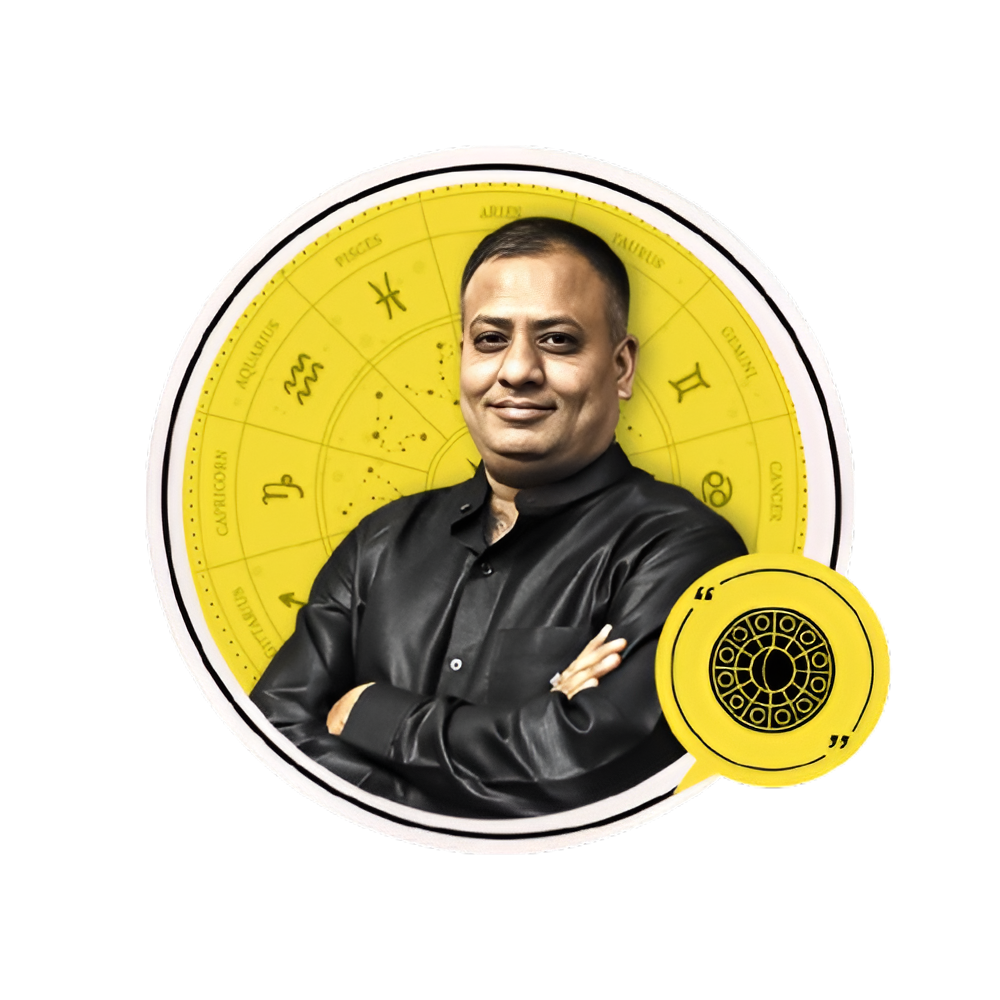
Today's Ekadashi Vrat: Essential Guide to Fasting Rules and Benefits
My dear seekers of truth and spiritual growth,
As an astrologer who has walked this path for many years, both observing the celestial dance and guiding countless souls, I often find myself returning to the profound significance of Ekadashi. It's not just another date on the calendar; it's a powerful cosmic window, a spiritual opportunity that opens up twice a month, inviting us to cleanse, rejuvenate, and connect with the divine.
Today, as the energies of the eleventh lunar day grace us, I want to share with you a comprehensive guide to understanding and observing Ekadashi Vrat. Whether you're a seasoned devotee or someone curious about embarking on this sacred journey, this post will illuminate the path, answering your questions and enriching your experience.
Trust me, the benefits of observing Ekadashi are multi-fold – touching not just your spiritual core but also your physical well-being and even the subtle astrological influences in your life. Let's delve deep.
The Divine Significance of Ekadashi: A Cosmic Opportunity
Ekadashi, derived from the Sanskrit word for 'eleven', marks the eleventh day of each lunar fortnight in the Hindu calendar. This means there are typically 24 Ekadashis in a year, sometimes 26 in a leap year. Each one is profoundly dedicated to Lord Vishnu, the preserver of the universe. It's believed that observing a fast on this day helps one overcome sins, attain spiritual merit, and ultimately move closer to Moksha (liberation).
From an astrological perspective, the Moon's influence is particularly potent on the eleventh day. The lunar cycles significantly impact our minds and bodies. Fasting on Ekadashi helps to harmonize these energies, bringing mental clarity and emotional stability. As an astrologer, I've seen how a consistent practice of Ekadashi Vrat can calm an agitated mind, strengthen one's resolve, and even mitigate certain planetary afflictions, especially those related to the Moon and Jupiter.
The story goes that Ekadashi itself is a divine entity, born from Lord Vishnu to defeat the demon Mura. She was granted the boon that anyone who fasts on her day will be freed from their sins and attain Vaikuntha, Lord Vishnu's abode. This narrative underscores the immense spiritual power inherent in this sacred day.
Understanding "Today's Ekadashi": Tithi, Parana, and Auspicious Timings
One of the most common questions I receive is, "How do I know if it's Ekadashi today?" And more importantly, "When exactly should I break the fast?" These are crucial aspects, as proper timing is key to reaping the full benefits of the Vrat.
How to Determine Ekadashi for "Today"
Determining the exact Ekadashi day requires consulting a reliable Hindu calendar or Panchang. These calendars take into account the precise start and end times of the Tithi (lunar day). Due to the nature of lunar calculations, sometimes an Ekadashi Tithi might start late in the day or end early, leading to variations in observance. This is where the concept of 'Smarta' and 'Vaishnava' Ekadashi comes into play, sometimes observed on slightly different days based on specific traditions. However, for most householders, consulting a reputable Drik Panchang or local temple calendar is sufficient.
Look for terms like:
- Ekadashi Tithi Begins: The precise time the eleventh lunar day starts.
- Ekadashi Tithi Ends: The precise time the eleventh lunar day concludes.
- Parana Time: The window during which the fast should be broken on Dwadashi (the twelfth lunar day).
The Crucial Concept of Parana: Breaking the Fast
Just as important as starting the fast is Parana, which means breaking the fast. This must be done at the correct time on the Dwadashi Tithi (the day after Ekadashi). Observing the fast but failing to break it at the appropriate time can negate its benefits. The Parana period is usually a specific window on Dwadashi morning.
Never break the fast during Hari Vasara, which is the first one-fourth period of Dwadashi. This period is considered highly inauspicious for breaking the fast. Always ensure you check the exact Parana time for your location through a reliable Panchang.
The Core Rules of Ekadashi Vrat: A Practical Guide
Observing Ekadashi Vrat is a journey of discipline and devotion. Here's a practical guide to the rules, ensuring you perform the Vrat correctly and respectfully.
1. The Sankalpa: Making Your Pledge
Before you begin any spiritual endeavor, especially a fast, it's essential to make a Sankalpa (a firm resolve or pledge). On the Dashami Tithi (the day before Ekadashi), take a bath and mentally or verbally declare your intention to observe the fast with devotion. This sets your mind and heart on the right path.
2. Dietary Restrictions: What to Eat, What to Avoid
This is where many questions arise. The primary goal of the Ekadashi fast is to purify the body and mind. Therefore, certain foods are strictly prohibited, as they are believed to be tamasic (energy-dulling) or contain elements that obstruct spiritual progress.
Foods to Strictly Avoid:
- Grains: Rice, wheat, corn, barley, oats, semolina (sooji), and all flours made from these grains. This is the most fundamental rule.
- Legumes & Pulses: All types of dal (lentils), beans, chickpeas, peas.
- Certain Vegetables: Onion, garlic (considered rajasic/tamasic).
- Specific Spices: Turmeric, asafoetida (hing), mustard seeds, fenugreek seeds. Black pepper and rock salt are generally allowed.
- Non-Vegetarian Food: Meat, fish, eggs.
- Stimulants: Alcohol, tobacco, caffeine (though many accustomed to tea/coffee might find it challenging to avoid).
- Honey.
Allowed Foods (Phalahari Diet):
The Ekadashi diet is primarily Phalahari (fruitarian) or light and Sattvic (pure). The focus is on naturally occurring foods that are easy to digest.
- Fruits: All fresh and dried fruits.
- Vegetables: Potatoes, sweet potatoes, raw bananas, taro (arbi), pumpkin, spinach, tomatoes, cucumber, carrots, bottle gourd.
- Dairy Products: Milk, curd (yogurt), paneer (Indian cheese), ghee (clarified butter).
- Specific Flours: Kuttu ka atta (buckwheat flour), Singhare ka atta (water chestnut flour), Rajgira ka atta (amaranth flour), Sama ke chawal (barnyard millet, often used as a rice substitute).
- Nuts & Seeds: Peanuts, almonds, walnuts, cashews (unsalted), coconut.
- Sweeteners: Sugar, jaggery (gur).
- Salt: Only rock salt (sendha namak) should be used.
- Water: Unless observing a Nirjala fast.
Practical Insight: My grandmother always told me, "The spirit of Ekadashi is more important than the letter of the law." While adhering to the rules is vital, if you find yourself struggling with hunger or weakness, especially if you're new to fasting, opt for a Phalahari diet rather than giving up entirely. Progress, not perfection, is the goal.
3. Lifestyle Restrictions: Beyond Food
Ekadashi Vrat is not just about fasting from food; it's also about a spiritual fast from negative energies and worldly attachments.
- Celibacy: Observe Brahmacharya (celibacy) on Ekadashi and ideally on Dashami (the day before) and Dwadashi (the day after) as well.
- Control of Senses: Avoid anger, greed, lying, backbiting, gossiping. Maintain a calm and positive demeanor.
- Sleep: Avoid sleeping during the day. If possible, engage in Jagaran (staying awake through the night) with prayers and Kirtan.
- Hair & Nail Cutting: Avoid cutting hair, nails, or shaving on Ekadashi.
4. Variations of the Fast: Nirjala, Phalahari, and More
There are different levels of intensity for Ekadashi Vrat, catering to individual capacities and health conditions.
- Nirjala Ekadashi: The strictest form, where one observes a fast without even a drop of water for 24 hours. This is highly challenging and typically observed only by those with robust health and immense spiritual resolve.
- Jal-Paarana (Water-Only) Ekadashi: Fasting with only water allowed.
- Phalahari Ekadashi: The most common form, where one consumes only fruits, allowed vegetables, and dairy products, as described above.
- Dugdhapana (Milk-Only) Ekadashi: Fasting by consuming only milk.
- Eka-Bhukta (Once-a-Day Meal): Some observe a fast by having one Ekadashi-compliant meal in the evening.
My Advice: If you are new to Ekadashi Vrat, start with the Phalahari option. Listen to your body and don't push yourself beyond your limits, especially initially. The intention and devotion behind the fast are paramount.
5. Exceptions and Special Cases
Lord Vishnu himself emphasized compassion. Certain individuals are exempt from observing a strict Ekadashi fast:
- Children: Young children are generally not expected to fast.
- Elderly: Those who are old and frail are exempt.
- Pregnant and Nursing Women: Their health and the health of the child take precedence.
- Sick Individuals: Anyone suffering from an illness, taking medication, or recovering from surgery should not observe a strict fast.
- Those on a Long Journey: If fasting poses a significant hardship during travel.
In these cases, one can observe a partial fast, consume light Ekadashi-friendly food, or simply dedicate the day to prayers and spiritual activities without fasting.
Profound Benefits of Observing Ekadashi Vrat
The rewards of observing Ekadashi are immense, touching every aspect of your being – spiritual, physical, and even astrological.
Spiritual Benefits: Cleansing the Soul
- Karma Cleansing: It's believed that observing Ekadashi Vrat helps purify past karmas and reduce their negative impact.
- Attaining Moksha: Consistent and devout observance is considered a direct path to spiritual liberation and dwelling in Vaikuntha.
- Pleasing Lord Vishnu: This is the day most beloved by Lord Vishnu, and fasting with devotion is the surest way to receive His blessings.
- Spiritual Growth: The discipline and focus required during the fast foster inner strength, self-control, and a deeper connection to the divine.
- Inner Peace & Clarity: By detaching from worldly cravings, the mind becomes calmer, more focused, and receptive to spiritual insights.
Physical Benefits: Detoxification and Rejuvenation
Beyond the spiritual, there are tangible physical benefits that modern science is beginning to acknowledge through studies on intermittent fasting.
- Detoxification: Fasting gives the digestive system a much-needed rest, allowing the body to cleanse itself of toxins accumulated from regular eating.
- Improved Digestion: A rested digestive system can function more efficiently afterward, leading to better nutrient absorption.
- Mental Clarity: Many observe increased focus and mental acuity during a fast, attributed to the body diverting energy from digestion to cognitive functions.
- Discipline & Self-Control: The act of intentionally abstaining from food strengthens willpower and brings a sense of accomplishment.
- Cellular Repair: Fasting can trigger autophagy, a process where cells clean out damaged components, leading to cellular rejuvenation.
My Experience: I've had clients struggling with chronic fatigue and digestive issues who, after incorporating Ekadashi fasting into their routine, reported significant improvements. It's truly a holistic practice.
Astrological Benefits: Harmonizing Planetary Influences
As an astrologer, this is an area I find particularly fascinating. The lunar cycle, of which Ekadashi is a part, has a profound impact on us.
- Strengthening the Moon (Chandra): The Moon governs our mind, emotions, and mother. Fasting on Ekadashi helps to strengthen a weak Moon in the birth chart, leading to greater emotional stability, mental peace, and better relationships.
- Enhancing Jupiter (Guru): Jupiter represents wisdom, dharma, prosperity, and spiritual knowledge. Since Ekadashi is dedicated to Lord Vishnu, the preserver, observing the fast enhances Jupiter's positive influence, bringing blessings in these areas.
- Mitigating Malefic Effects: For individuals with challenging planetary placements, especially involving the Moon or Jupiter, Ekadashi Vrat can act as a powerful remedy, reducing negative impacts and promoting positive outcomes.
- Favorable for Meditation: The calm and sattvic energy of Ekadashi, amplified by fasting, makes it an exceptionally auspicious day for meditation, mantra recitation, and spiritual practices.
Performing the Vrat: Rituals and Mantras for Maximum Impact
While the fast itself is central, the spiritual observances enhance its power and connect you more deeply to the divine.
1. Morning Rituals: Setting the Sacred Tone
- Early Bath: Wake up before sunrise, take a purifying bath, ideally in a river or holy water if possible, otherwise at home.
- Clean Altar: Clean your Puja altar and place an idol or picture of Lord Vishnu (or His avatars like Krishna, Rama).
- Light a Lamp: Light a ghee lamp (diya) and incense sticks.
- Offerings: Offer fresh flowers, fruits, and most importantly, Tulsi leaves to Lord Vishnu. Tulsi is extremely dear to Him.
- Sankalpa: Make your Sankalpa (pledge) to observe the fast with devotion.
2. Mantras and Prayers: Chanting the Divine Names
Throughout the day, dedicate time to chanting mantras and prayers. This keeps your mind focused on the divine and away from worldly distractions.
- Mahamantra: The most common and powerful mantra for Lord Vishnu is "Om Namo Bhagavate Vasudevaya." Chant it as many times as you can.
- Vishnu Sahasranama: Reciting the thousand names of Lord Vishnu is highly auspicious and brings immense merit.
- Specific Ekadashi Mantras: Each Ekadashi has its own unique significance and associated stories, which can be read or heard.
- Bhajans & Kirtans: Listen to or sing devotional songs dedicated to Lord Vishnu.
3. Evening Rituals: Aarti and Jagaran
In the evening, perform an Aarti (lamp ceremony) to Lord Vishnu. If your health permits and you have the spiritual inclination, consider performing Jagaran – staying awake through the night, immersed in prayers, chanting, and meditation. This is considered highly meritorious.
4. Charity and Donations: Sharing Your Blessings
Ekadashi is an excellent day for charity (Daan). Donating food, clothes, or money to the needy, or offering services at a temple, multiplies the benefits of your fast. Giving with a pure heart is a powerful act on this sacred day.
Breaking the Fast: The Parana Protocol
I cannot stress enough the importance of performing Parana correctly. It's the culmination of your Vrat and must be done as per scriptural guidelines.
1. The Right Time: Precision is Key
Parana must be done on the Dwadashi Tithi, within a specific time window. This window is calculated based on the sunrise and the end of Hari Vasara. Always consult a reliable Panchang for the exact Parana time for your location. Breaking the fast before sunrise on Dwadashi or during Hari Vasara is considered a breach of the Vrat.
2. The Right Way: With Intention and Purity
- First Food: Traditionally, the fast is broken by consuming a small amount of an Ekadashi-compliant food, often a little water with a Tulsi leaf, or specific grains (like rice or wheat) if your tradition allows regular food.
- Prayers: Offer a prayer of gratitude to Lord Vishnu for enabling you to complete the Vrat successfully.
- Offerings: Before consuming your meal, it's customary to offer a portion to a cow, a Brahmin, or a needy person.
My Personal Practice: I often break my fast with a glass of water containing a Tulsi leaf, followed by a small, sattvic meal that includes cooked rice or a simple dal, signifying the return to a regular diet.
Consequences of Improper Parana
According to scriptures, if Parana is not observed within the prescribed time, the benefits of the entire fast may be diminished or even lost. It's akin to completing a marathon but not crossing the finish line correctly. So, be diligent in checking your Parana timings!
Common Questions and Astrological Insights
1. Can I drink water during Nirjala Ekadashi?
No, "Nirjala" literally means "without water." This is the strictest form of the fast, where neither food nor water is consumed for 24 hours. If you cannot sustain without water, it is better to observe a Phalahari or Jal-Paarana fast, rather than attempting Nirjala and failing.
2. What if I accidentally break the fast?
If you accidentally consume prohibited food, simply apologize to Lord Vishnu, seek forgiveness, and continue the rest of the day with renewed devotion. The intention behind the fast is what truly matters. Do not feel discouraged; simply resolve to be more careful next time.
3. Does Ekadashi affect my horoscope directly?
While observing Ekadashi Vrat doesn't directly change your birth chart, it certainly influences how you experience your chart's energies. By purifying the mind and body, you create a more positive vessel for planetary energies to flow through. It strengthens the benefic influences of Jupiter and the Moon and provides a spiritual shield against certain malefic effects. It's a proactive spiritual remedy.
4. Are some Ekadashis more significant than others?
Yes, absolutely! While all Ekadashis are sacred, some hold special significance. For example, Nirjala Ekadashi (in Jyeshtha month) is considered so powerful that observing it alone is equivalent to observing all 24 Ekadashis of the year. Mokshada Ekadashi (in Margashirsha) is believed to grant liberation to ancestors. Each Ekadashi has a unique story and specific benefits associated with it. I often recommend my clients to research the specific Ekadashi when it comes, as understanding its essence deepens the devotion.
My Astrological Perspective on Ekadashi and Your Chart
From an astrological standpoint, the Ekadashi Vrat is more than just a ritual; it's a cosmic alignment that allows us to tap into higher vibrations. The Moon, a key significator of our mind and emotions, reaches a specific energetic point on the eleventh Tithi. By aligning our bodily and mental rhythms with this lunar cycle through fasting, we actively participate in a subtle but powerful purification process.
For those with a weak or afflicted Moon in their birth chart, observing Ekadashi Vrat can be a potent remedy. It brings stability, calms mental turbulence, and enhances intuition. Similarly, a strong Jupiter in a chart is a blessing for spiritual growth and prosperity. By honoring Lord Vishnu on Ekadashi, we naturally strengthen the principles of Dharma and wisdom that Jupiter represents.
I often guide my clients to observe Ekadashi not just for general well-being but sometimes as a targeted remedy for specific planetary challenges or to enhance certain beneficial yogas in their charts. It's about personalizing your spiritual practice to align with your unique cosmic blueprint.
I encourage you to embrace this practice not out of obligation, but out of a genuine desire for self-improvement and divine connection. Start small, be consistent, and observe the transformative changes it brings to your life.
May Lord Vishnu bless your journey on this sacred Ekadashi day and always.

Astrologer Abhishek Soni
India's Top Celebrity Astrologer | 50,000+ Consultations | Vedic Astrology, Numerology & Vastu Expert
Book Consultation