Why Today's Ekadashi Fast Holds Immense Spiritual Power and Blessings
My dear seekers of wisdom and spiritual growth,...
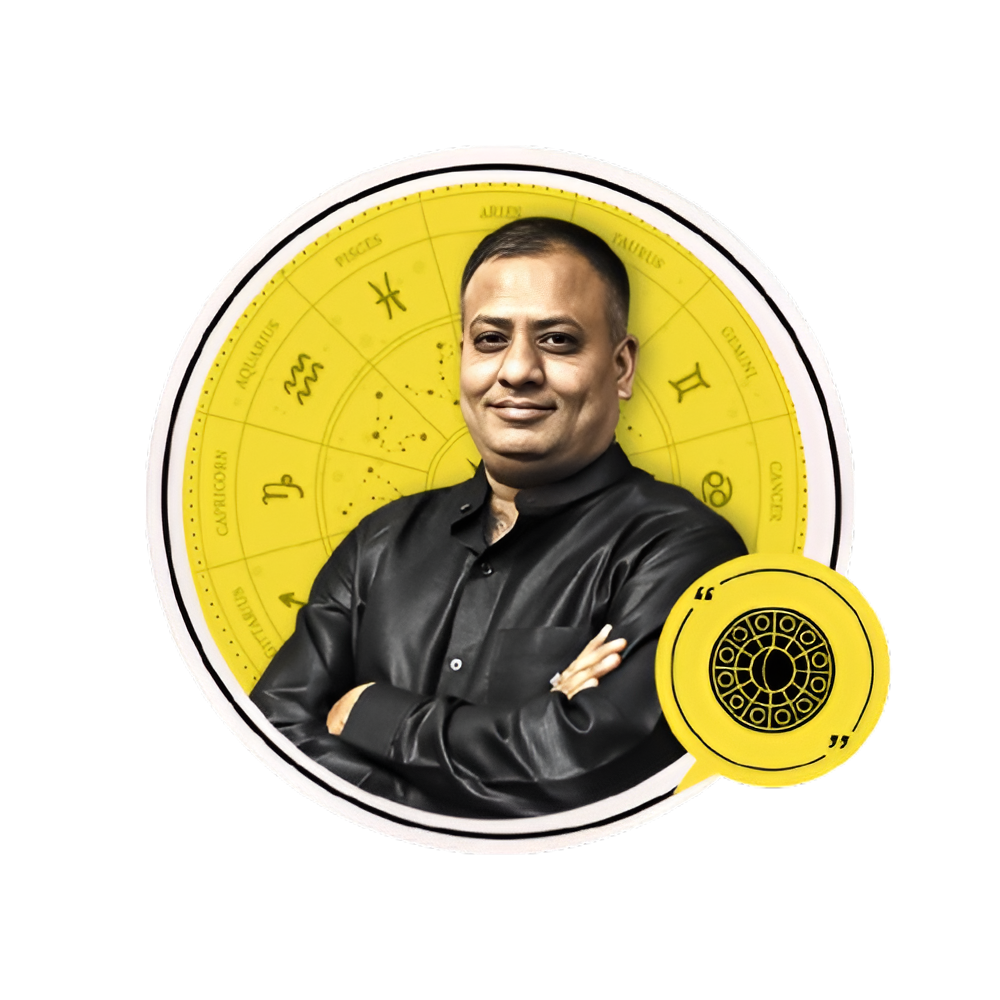
My dear seekers of wisdom and spiritual growth,
There are days in our cosmic calendar that shimmer with a unique energy, a potent spiritual vibration that beckons us to pause, reflect, and connect with the divine. As an astrologer deeply immersed in the ancient wisdom of the Vedas, I can tell you unequivocally that today is one such day – it's Ekadashi. And trust me, this isn't just another date on the calendar; it's a profound opportunity, a celestial invitation to unlock immense spiritual power and blessings.
Perhaps you’ve heard of Ekadashi, perhaps you’ve even observed the fast before. But do you truly understand the depths of its significance, the intricate dance of cosmic forces that makes this particular day so incredibly special? My aim today is to peel back the layers, to share with you the profound insights and practical wisdom surrounding Ekadashi, helping you harness its full potential for your own spiritual journey and well-being. Let's dive in.
What is Ekadashi and Why is it So Potent?
At its core, Ekadashi refers to the eleventh day of each lunar fortnight in the Hindu calendar. This means there are typically two Ekadashis in a lunar month – one during the waxing phase (Shukla Paksha) and one during the waning phase (Krishna Paksha). While the concept seems simple, its spiritual implications are anything but. It’s a day specifically dedicated to spiritual practices, with fasting being the primary observance.
The Lunar Connection: A Cosmic Rhythm
Our ancient seers, with their profound understanding of the cosmos, recognized the powerful influence of the Moon on our planet, our bodies, and our minds. The Moon governs our emotions, our mental state, and the fluidity within our systems. As the Moon waxes and wanes, its gravitational pull affects the tides, and similarly, it impacts the subtle energies within us.
On the eleventh day, the Moon's energy is believed to be particularly conducive to spiritual pursuits. It's a day when the body’s natural tendency towards physical desires is slightly lessened, and the mind becomes more receptive to higher vibrations. This isn't mere superstition; it's an intricate understanding of the human physiological and psychological connection to lunar cycles, a foundational principle in Vedic astrology and Ayurveda.
Divine Association: Lord Vishnu's Day
Every Ekadashi is profoundly associated with Lord Vishnu, the preserver of the universe. Legend has it that Ekadashi Devi emerged from Lord Vishnu to slay the demon Murdanava, earning her the boon that anyone who observes the Ekadashi fast would be freed from sins and attain liberation. This makes Ekadashi a powerful day for seeking the blessings of Lord Vishnu, who represents divine order, protection, and the path to moksha (salvation).
When we observe Ekadashi, we are essentially aligning ourselves with the divine energy of preservation and righteousness. We invoke Lord Vishnu's grace, seeking purification, protection from negative influences, and guidance on our spiritual path. It's a day when the veil between the material and spiritual realms feels thinner, making our prayers and intentions more potent.
The Science Behind the Fast: A Holistic Approach
While the spiritual benefits are paramount, the practice of fasting on Ekadashi also carries significant physiological advantages, which ancient sages understood intuitively. Our digestive system works tirelessly, day in and day out. Just like any other organ, it benefits greatly from a periodic rest.
Fasting on Ekadashi provides this much-needed break. It allows the body to detoxify, to cleanse itself of accumulated toxins, and to reset its metabolic processes. This purification isn't just physical; it extends to the mental and emotional planes. A lighter, cleaner body supports a clearer, more focused mind, creating an optimal environment for spiritual practices. This holistic approach – purifying the mind, body, and spirit – is what makes Ekadashi fasting so incredibly powerful.
The Immense Spiritual Power of Today's Ekadashi
So, what makes today's particular Ekadashi so significant? Each Ekadashi has its own unique name and associated blessings, depending on its position in the lunar calendar. While the specific name varies, the underlying spiritual power remains constant: it's a day amplified for spiritual growth and divine connection. Today, as these cosmic energies converge, you have an unparalleled opportunity to tap into a wellspring of grace.
Cleansing Karma and Invoking Blessings
One of the most profound benefits of observing Ekadashi is its ability to purify past karma. In Vedic astrology, our present circumstances are largely a result of our past actions. While we cannot undo what is done, sincere spiritual practices, especially those observed on potent days like Ekadashi, can help mitigate the effects of negative karma and attract positive, auspicious energies into our lives.
By engaging in fasting and devotion on Ekadashi, we are essentially performing an act of penance and surrender. This sincere effort is believed to cleanse accumulated sins, both conscious and unconscious, paving the way for a brighter future. Many devotees observe Ekadashi to receive specific blessings:
- For health and vitality: Purifying the body and mind.
- For wealth and prosperity: Attracting divine abundance.
- For progeny and family well-being: Invoking blessings for loved ones.
- For peace and mental clarity: Calming the turbulent mind.
- Ultimately, for Moksha (liberation): The highest spiritual goal, freeing oneself from the cycle of birth and death.
The blessings are not just material; they are deeply spiritual, fostering an inner richness that transcends worldly gains.
Enhanced Meditation and Inner Peace
Have you ever noticed how difficult it is to quiet your mind when your body feels heavy or restless? Fasting on Ekadashi naturally reduces sensory distractions. When the digestive system is at rest, a significant portion of the body's energy is freed up. This energy can then be redirected towards higher pursuits, making meditation deeper, prayers more fervent, and spiritual contemplation more profound.
On Ekadashi, the mind, freed from the constant demands of digestion and sensory indulgence, becomes clearer and more focused. This clarity is a direct path to inner peace. It's an opportunity to turn inwards, to listen to the whispers of your soul, and to connect with your higher self. For those struggling with mental agitation or a lack of focus, Ekadashi offers a powerful antidote, fostering a state of serene introspection.
Strengthening Willpower and Self-Discipline
Let's be honest: fasting isn't always easy. It requires discipline, determination, and a strong will to overcome physical cravings and mental resistance. This very act of self-control is a powerful spiritual exercise. By consciously choosing to abstain from food and certain activities, we are training our minds to master our senses, rather than being enslaved by them.
Every time you successfully observe an Ekadashi fast, you are strengthening your spiritual muscle. This increased willpower doesn't just benefit your spiritual life; it spills over into all areas of your existence. You'll find yourself more capable of setting and achieving goals, more resilient in the face of challenges, and more in control of your reactions. It’s a journey of self-mastery, one Ekadashi at a time.
Practical Insights and How to Observe Ekadashi
Now that we understand the 'why,' let's delve into the 'how.' Observing Ekadashi isn't just about abstaining from food; it's about a complete spiritual regimen. Here's what you need to know:
Types of Ekadashi Fasts: Choose Your Path
The beauty of Ekadashi is its flexibility. While the strictest form offers the highest spiritual rewards, you can choose a fast that aligns with your health, circumstances, and spiritual capacity. The intention is what truly matters.
- Nirjala (Waterless) Vrat: This is the most stringent fast, involving complete abstinence from food and water for the entire 24-hour period (from sunrise on Ekadashi to sunrise on Dwadashi, the next day). It's incredibly powerful but should only be undertaken by those in excellent health and with prior experience in fasting.
- Phalahari (Fruit-based) Vrat: This involves consuming only fruits, water, and milk throughout the day. It's a gentler option, allowing the body to receive some nourishment while still observing a significant fast.
- Dugdha-ahar (Milk-based) Vrat: Similar to phalahari, but primarily focuses on milk and milk products (like yogurt, paneer).
- Eka Bhakta (One Meal) Vrat: Consuming only one meal, typically a sattvic (pure, simple) meal, during the day, usually in the evening. This meal would still exclude grains and prohibited foods.
- Minimalist Fast: Some devotees choose to avoid only grains, legumes, and certain spices, while consuming other permitted foods like potatoes, vegetables, and certain flours (like kuttu atta or singhara atta).
My advice as an astrologer: Always listen to your body and consult a healthcare professional if you have any underlying health conditions. Start with a gentler fast and gradually increase your rigor as your body and mind adapt. The sincerity of your intention outweighs the strictness of the fast.
The Right Sankalpa (Intention): The Heart of the Fast
Before you begin your fast, it's crucial to make a clear and conscious 'Sankalpa' – a sacred intention. This isn't just a wish; it's a firm resolve, spoken from the heart, dedicating your efforts to a higher purpose. Your Sankalpa gives direction and power to your fast.
- You can fast for general spiritual purification and growth.
- You can dedicate it to Lord Vishnu for specific blessings (e.g., peace for your family, overcoming obstacles, better health).
- You can fast to mitigate certain planetary afflictions in your birth chart (more on this later).
Take a moment, close your eyes, and clearly state your intention before you begin. This simple act dramatically enhances the potency of your Ekadashi observance.
Dos and Don'ts During the Fast
Ekadashi is not just about abstaining from food; it's about observing a spiritual discipline. Here's a guide:
What to Do: Elevate Your Spirit
- Chant Mantras: Dedicate time to chanting 'Om Namo Bhagavate Vasudevaya' or the Hare Krishna Maha-Mantra. This connects you directly to Lord Vishnu's energy.
- Read Spiritual Texts: Immerse yourself in scriptures like the Bhagavad Gita, Vishnu Sahasranama, Srimad Bhagavatam, or other devotional literature.
- Perform Puja and Arati: Offer prayers, incense, lamps, and flowers to Lord Vishnu or your chosen deity.
- Engage in Seva (Selfless Service): If possible, engage in acts of charity, feed the needy, or help others. This multiplies the merit of your fast.
- Stay Hydrated: Unless observing Nirjala, drink plenty of water, coconut water, or fresh fruit juices (without added sugar).
- Practice Mindfulness: Be conscious of your thoughts, words, and actions. Avoid gossip, anger, or negative emotions.
- Meditate: Take advantage of the clear mind to deepen your meditation practice.
What to Avoid: Protect Your Spiritual Energy
- Grains and Legumes: This is the most crucial food restriction. Avoid rice, wheat, barley, lentils, beans, corn, and all products made from them.
- Onions and Garlic: These are considered Tamasic (inertia-inducing) foods and are traditionally avoided.
- Meat, Eggs, Alcohol: These are strictly prohibited.
- Smoking and Intoxicants: Avoid completely.
- Sleeping During the Day: This is believed to negate the benefits of the fast. Try to stay awake and engaged in spiritual activities.
- Sensory Overindulgence: Minimize screen time, excessive talking, or other activities that distract the mind.
- Breaking the Fast Incorrectly: This is vital and will be discussed in the "Breaking the Fast" section.
Astrological Remedies and Ekadashi
As an astrologer, I often guide clients on how to mitigate challenging planetary periods or strengthen beneficial planetary influences. Ekadashi is an incredibly potent astrological remedy, often overlooked in its simplicity.
Planetary Alignment and Your Chart
The Moon, which governs Ekadashi, has a profound impact on our mental and emotional well-being. By observing Ekadashi, we naturally harmonize our inner state, which in turn helps to balance the energies of other planets in our birth chart. A calm, focused mind can better navigate any planetary challenges. Furthermore, Ekadashi is directly linked to Lord Vishnu, the maintainer of cosmic order. By appeasing Him, we invite His protection from malefic planetary influences.
Remedial Measures Through Fasting
Each Ekadashi, while generally dedicated to Lord Vishnu, can also be particularly effective for addressing specific planetary issues. While detailed analysis requires a personal birth chart reading, here are some general associations:
- For Jupiter's Blessings (Guru/Brihaspati): Observing Ekadashi fasting, especially on days like Putrada Ekadashi (for progeny) or when Jupiter is strong, can enhance positive Jupiterian qualities like wisdom, wealth, and spiritual guidance.
- For Saturn's Mitigation (Shani): Fasting on Ekadashi can help alleviate the malefic effects of Saturn (Shani Dasha or Sade Sati). It cultivates patience, discipline, and detachment, qualities that Saturn seeks to teach.
- For Overall Well-being and Protection: Consistent Ekadashi observance acts as a powerful shield against general planetary afflictions, fostering inner strength and divine grace. It particularly strengthens the beneficence of the Moon, which directly impacts our emotional stability and mental peace.
By consciously offering your efforts on Ekadashi, you are engaging in a powerful form of self-correction and seeking divine intervention to balance the cosmic energies in your life. This is a subtle yet profound way to engage with the principles of Vedic astrology beyond mere prediction.
Personalized Guidance
While these are general guidelines, a truly personalized approach requires examining your unique birth chart. If you're facing specific challenges or wish to enhance particular areas of your life through Ekadashi, I always recommend consulting with an experienced astrologer. They can guide you on which specific Ekadashis might be most beneficial for you, considering your planetary positions and current dasha periods.
Breaking the Fast: The Parana
Just as important as observing the fast is the act of breaking it correctly. This is known as 'Parana,' and its timing is crucial. Incorrectly breaking the fast can negate its benefits.
The Crucial Moment: Timing is Everything
The Parana must be done within a specific time window on Dwadashi (the twelfth day), the day after Ekadashi. This window is usually calculated based on local sunrise and specific astrological considerations. It's essential to check a reliable Hindu calendar or panchanga for the precise Parana time for your location.
- Breaking too early: Before the sunrise of Dwadashi can nullify the fast.
- Breaking too late: After the Dwadashi Tithi has ended (before Trayodashi begins) can also negate the benefits and incur a fault.
Therefore, always make sure to perform Parana within the prescribed time to reap the full spiritual rewards of your Ekadashi fast. This precise timing ensures you remain in harmony with the lunar cycle's rhythms.
Proper Foods for Parana: A Gentle Return
When it's time to break your fast, remember to do so gently. Your digestive system has been at rest, and suddenly introducing heavy foods can be a shock.
- Start Simple: Traditionally, a small amount of water with a tulsi leaf, or a light fruit, is consumed first.
- Grain-Based Meal: The fast is usually broken by consuming a grain-based meal, often a small portion of rice. This symbolizes the return to normal dietary practices.
- Avoid Overeating: Even after the fast, practice moderation. Gradually return to your regular diet.
- Sattvic Foods: Continue to prefer sattvic (pure, wholesome) foods on Dwadashi to maintain the purity achieved during Ekadashi.
Embracing the Ekadashi Lifestyle
Ekadashi is not just a single day of observance; it's a powerful lesson in mindful living. The discipline, the focus, and the spiritual upliftment you experience on this day can be integrated into your everyday life, transforming your entire existence.
Beyond the Fast: Integrating Learnings
Think of Ekadashi as a spiritual reset button. The clarity you gain, the self-control you practice, and the deeper connection you forge with the divine are not meant to be confined to just one day. Carry that mindfulness into your eating habits, that patience into your interactions, and that spiritual devotion into your daily routine. Let the principles of Ekadashi inspire a more conscious, purposeful, and spiritually aligned life.
A Journey of Continuous Growth
Every Ekadashi offers a fresh opportunity for renewal and growth. Don't be discouraged if you falter or find it challenging initially. The journey of spiritual growth is continuous, and each sincere effort, no matter how small, adds to your spiritual merit. Embrace Ekadashi as a regular practice, a sacred rhythm in your life that continually guides you towards greater inner peace, profound blessings, and true spiritual liberation.
May today's Ekadashi bring you immense spiritual power, profound blessings, and a deeper connection to the divine grace that surrounds us all.

Astrologer Abhishek Soni
India's Top Celebrity Astrologer | 50,000+ Consultations | Vedic Astrology, Numerology & Vastu Expert
Book Consultation